Blog

  • AI Lookbook World Building: Narrative Systems for Drops

    AI Lookbook World Building: Narrative Systems for Drops

    AI doesn’t break lookbooks because it’s “bad at images”.

    It breaks lookbooks because it treats every scene as a standalone moment.

    World-building fixes this by making every scene belong to the same fictional—and commercial—world.

    Key Takeaways

    • A lookbook world is a continuity system: rules that survive across scenes.
    • World-building turns “many images” into a repeatable drop calendar.
    • QA becomes measurable when you test continuity, not vibes.
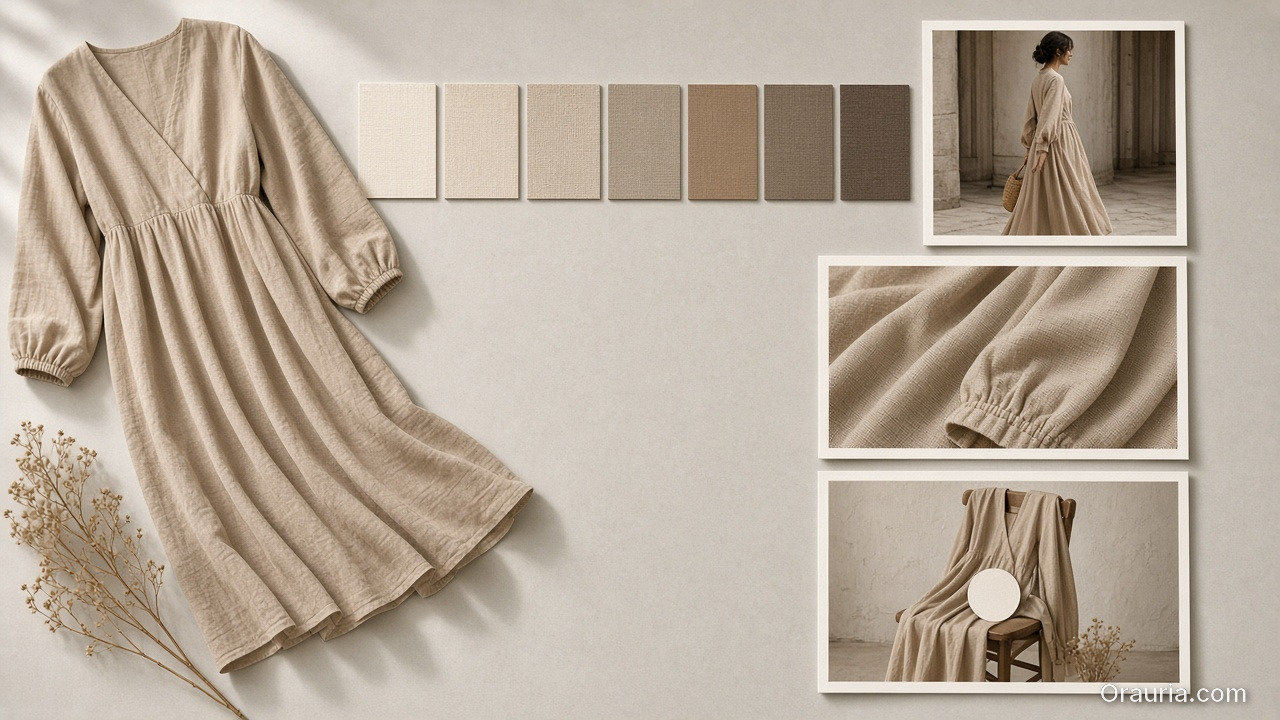
    A beige linen dress with a warm swatch row and three role stills: a lifestyle hook, a fabric proof close-up, and a draped offer with a blank disc

    What is “lookbook world building”?

    World-building is the layer that defines:

    1. Continuity (what must stay identical)
    2. Scene roles (what each scene is responsible for)
    3. Offer repetition (how the buyer gets the same message safely)

    In production terms:

    • World rules create stability (light family, palette logic, texture truth)
    • Scene roles create clarity (hook frame, proof frame, offer close)
    • Offer repetition creates conversion consistency (CTA + claim tone)
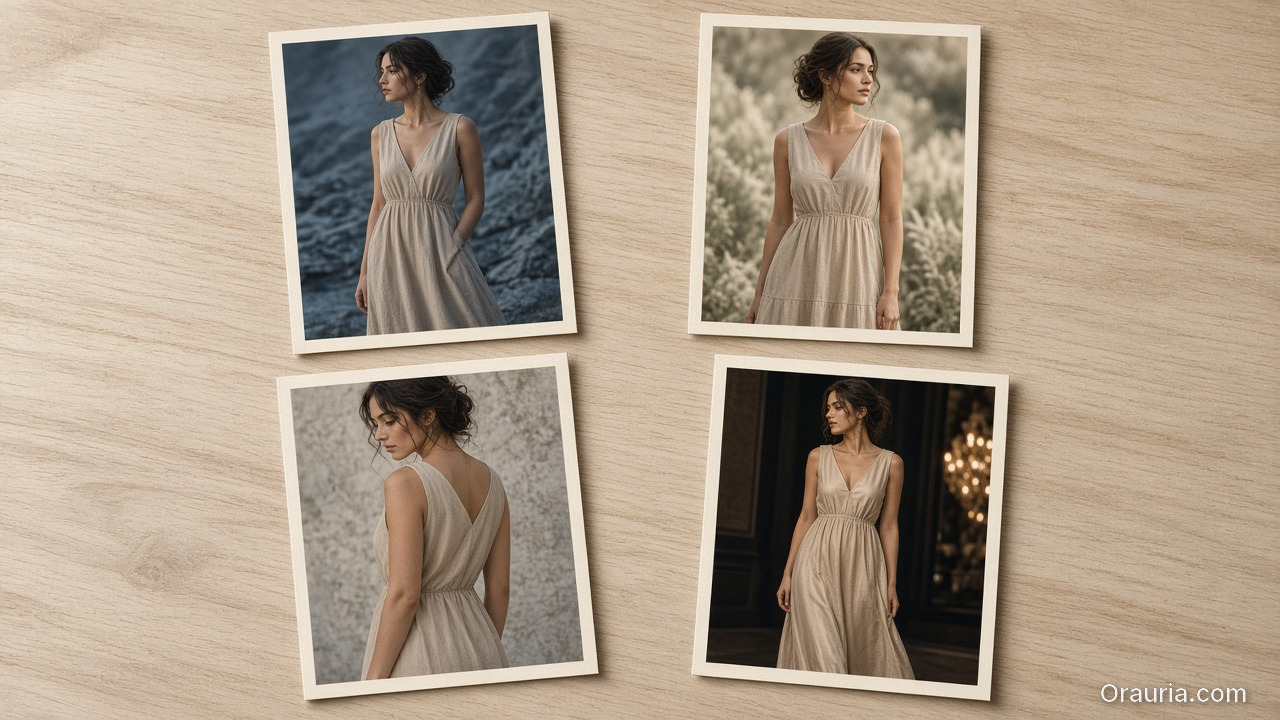
    Four prints of a woman in a beige dress that drift across cold water light, a meadow, a grey wall, and a dark chandelier interior

    Why AI needs world rules (not just prompts)

    When you don’t define world rules, you get:

    • random shadow styles per scene,
    • character drift (face, hair, identity cues),
    • geometry “almost-right” that buyers feel as uncertainty,
    • captions that imply different promises in different formats.

    World rules are your answer.
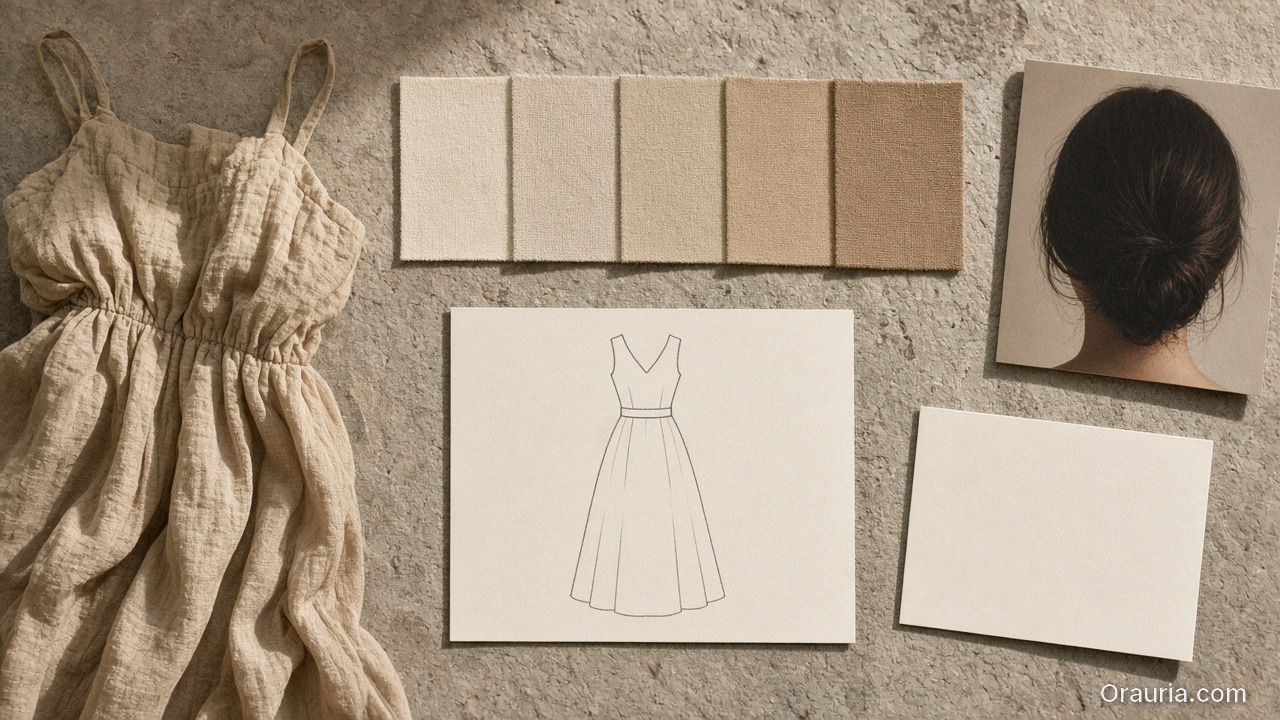
    A reusable world kit on stone: a linen dress, warm fabric swatches, a geometry dress sketch, a hair-bun identity crop, and a blank claim card

    A simple world kit you can reuse

    Lock a small kit once, then reuse it:

    • Light family: morning-soft, editorial-hard, or evening-warm (pick one logic)
    • Palette logic: background tones and product accent colors stay within a range
    • Continuity anchors: product geometry, label readability, character silhouette
    • Claim safety rules: what you can promise repeatedly without overclaiming

    This is not an aesthetic moodboard. It is a set of constraints.

    Four assigned scene roles in one warm world: a window-hung linen dress, a fabric proof close-up, a box and blank offer card, and a reuse fabric crop

    Scene roles: assign responsibilities, not random scenes

    Use scene roles like a checklist:

    • Hook role: first frame tells value
    • Proof role: texture + details that justify claims
    • Offer role: CTA and close promise
    • Reuse role: later scenes that can be resized into ads without contradiction

    When every scene has a role, the drop feels like a system—not a scatter.
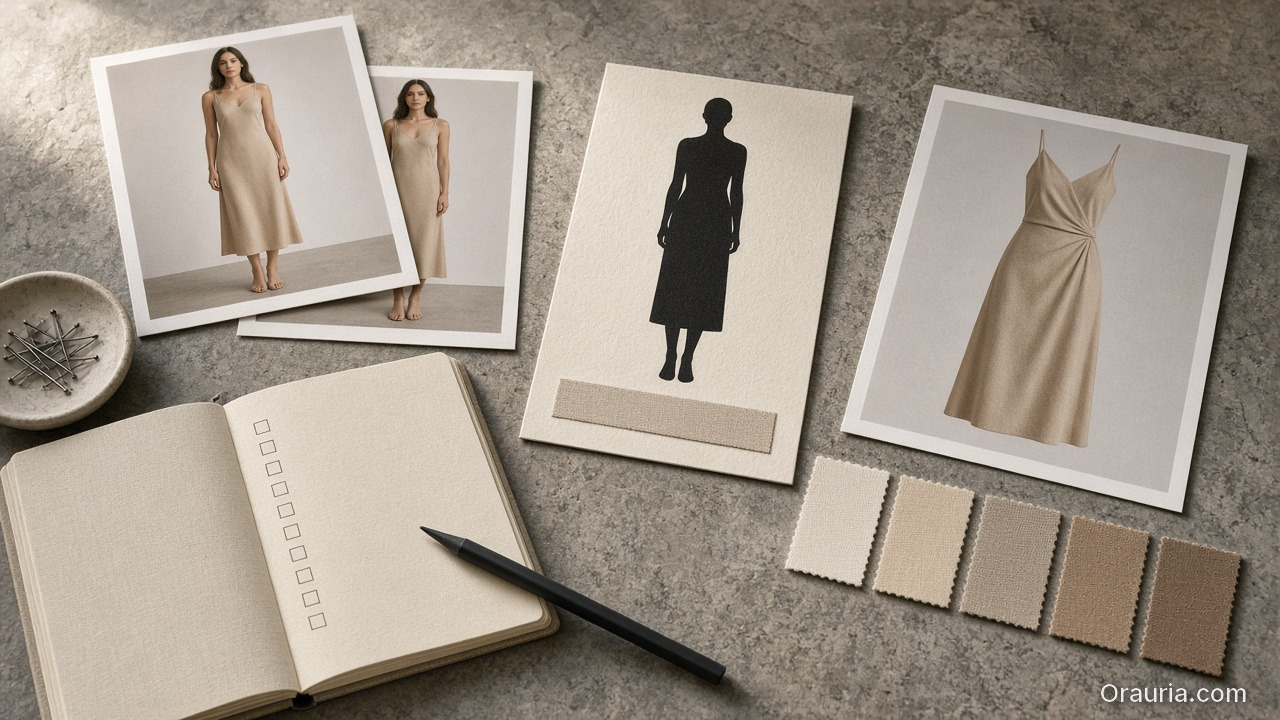
    A QA desk with two dress portraits, a silhouette card, a dress still, warm swatches, and an open linen checklist notebook

    QA gates (how you prevent world collapse)

    Before you export, verify:

    • Continuity anchors still match (identity + geometry range)
    • World light stays inside the light family
    • Offer tone stays consistent with the campaign claim

    If one gate fails, update the world kit—not the entire pipeline.

    What to do next

    Start by turning your lookbook into roles:

    • build 1 world kit,
    • generate 3 scenes,
    • run QA gates,
    • then scale to a full drop schedule.

    If you want the scene workflow, pair this with:
  • Lookbook Thinking: 5 Creative Directions Without a Studio

    Lookbook Thinking: 5 Creative Directions Without a Studio

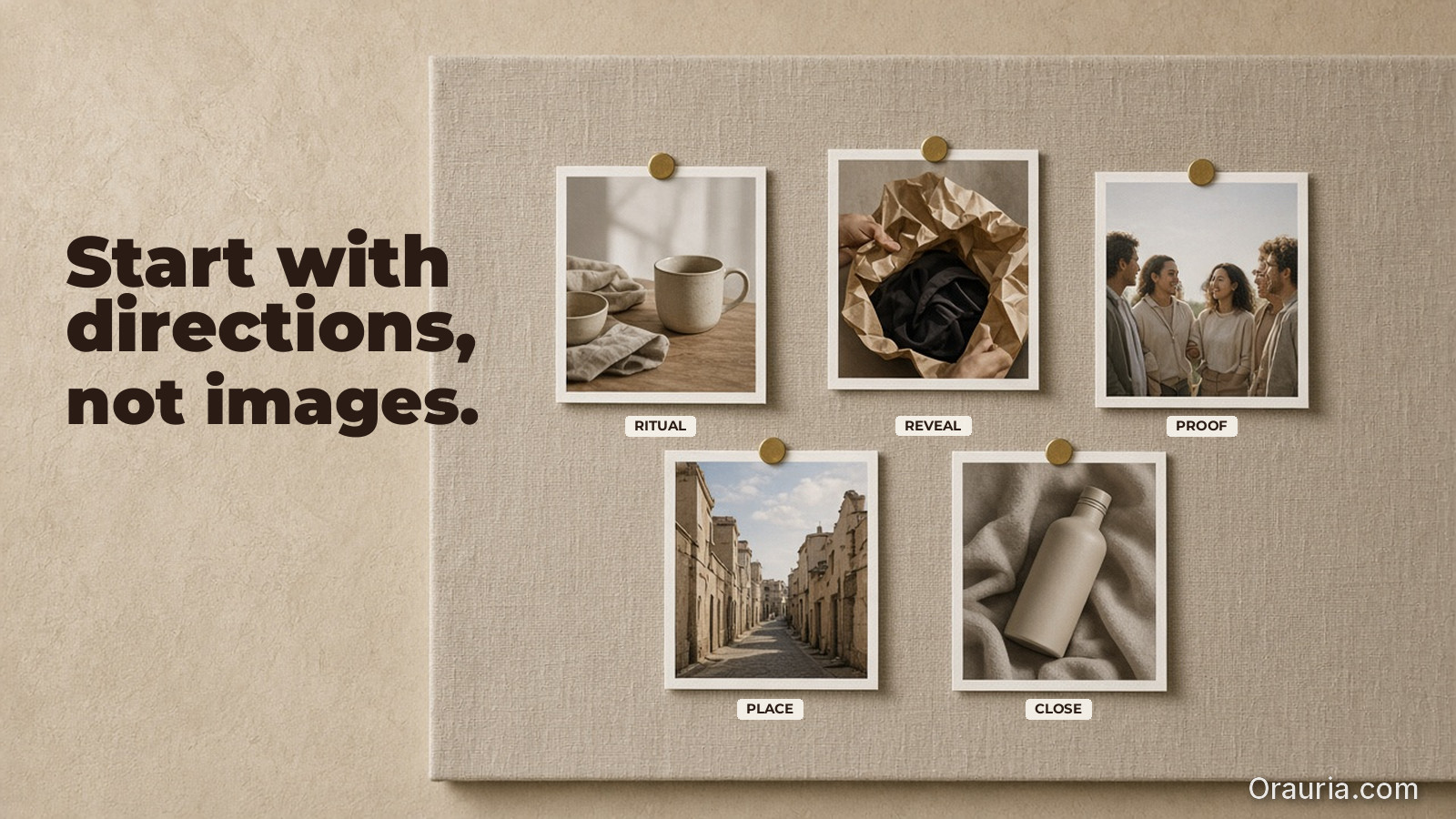
    Most lookbooks fail with AI for one simple reason:

    They start from images instead of directions.

    Directions are your brand’s continuity contract. Once directions are locked, scenes become repeatable production jobs—not random aesthetic roulette.

    Key Takeaways

    • A lookbook needs creative directions (world + roles), not more variations.
    • Lock 5 directions, then map scenes, channels, and formats to the same world kit.
    • QA is not “does it look pretty?” QA is “does the world stay consistent?”

    What is a creative direction in a lookbook?

    A creative direction answers three questions:

    1. What is the world? (setting, light family, mood)
    2. Who are the roles? (character identity, behavior rules)
    3. What is the offer? (what the buyer should feel and do)

    Without roles, AI drifts. Without world rules, the drop looks like different seasons.

    The 5 directions that sell (and reuse easily)

    A woman in an oatmeal knit cardigan applies a frosted serum by a sunlit bathroom window, with a linen towel and ceramic dish on the marble sill

    1) The Everyday Ritual

    Product as a habit. Calm pace, honest texture, soft proof.

    Use it for: skincare routines, casual apparel, “wear it daily” offers.

    Hands lift tissue paper to reveal an oatmeal knit cardigan on a wooden hanger, with a pile of casual clothes out of focus to the left

    2) The “Reveal” Story

    Before/after movement. The first frame must communicate the value instantly.

    Use it for: seasonal upgrades, styling transformations, upgrade-to-new-version messages.

    A frosted serum bottle, folded oatmeal cardigan, kraft mailer with tissue, and a blank beige card on a clean oak table

    3) The Social Proof Frame

    Receipts before claims. Strong composition, minimal clutter, credible atmosphere.

    Use it for: bundles, limited drops, “most ordered” positioning, trust-building pages.

    A woman in an oatmeal knit cardigan sits at a sunlit city balcony cafe table with a coffee cup and a small frosted serum bottle

    4) The Location Mood

    Same product identity, different narrative location.

    Use it for: city traveler looks, vacation capsule wardrobes, lifestyle fit moments.

    Tight close-up of oatmeal knit stitch texture beside the frosted glass shoulder and silver cap of a serum bottle

    5) The Product Truth Close

    Geometry and details first. Tight proof for texture, stitching, labels, and fit cues.

    Use it for: e-commerce PDP support, reseller listings, marketplace creatives.

    How do you apply directions to scenes?

    Treat each direction as a scene role template:

    • World rules stay stable (light family, palette logic)
    • Role rules stay stable (character identity, behavior)
    • Only the scene variable changes (location, outfit item, action)

    This is the same mindset behind:

    A QA desk with prints of the same cardigan look across a ritual, a balcony, and a fabric close-up, plus serum, swatches, a silhouette card, and an open notebook

    QA gates: what to check before you ship

    If you want directions to hold across formats, your QA checklist must include:

    • facial identity continuity (jawline, skin tone range, hair silhouette)
    • product geometry truth (no warped edges, stable label readability)
    • world continuity (shadow style and color temperature stay inside the kit)
    • offer continuity (CTA and claim tone match the direction’s “why”)

    What to do next

    If you’re planning a weekly drop, start with the smallest win:

    Lock one direction, generate 6–10 scenes, and enforce the QA gates.

    Then scale to five directions once your world kit passes.

  • Image-to-Video Efficiency Workflow (2026): Stop Prompt Sprawl

    Image-to-Video Efficiency Workflow (2026): Stop Prompt Sprawl

    Most teams treat image-to-video like an exploration playground.

    That’s fun, but expensive.

    In production, you need efficiency: direction first, then gates, then export variants.

    Key Takeaways

    • Prompt sprawl kills efficiency. Fix it by creating a reusable direction kit.
    • The workflow is 3 steps: Direction → Generation → Crop/Resize QA.
    • “Looks good” is not QA. Product truth is QA.
    An amber perfume bottle with gold and champagne swatches, a small lighting flag, and three storyboard stills of hook, proof, and offer crops

    Step 1 — Direction (lock what must not change)

    Before you generate, decide your creative direction in one sentence:

    • what moves (pose, camera, light),
    • what stays true (geometry, label readability, brand palette),
    • what the ad outcome is (hook, proof, offer).

    Then attach constraints as rules (your kit):

    • color family (no palette drift),
    • typography rules (if text appears on frame),
    • “geometry no-go”: avoid warped edges and moving shadows that rewrite the product.

    This is the same upstream thinking as Choose the video model after creative direction.

    Printed motion frames of an amber perfume bottle in a row, with a tidy keeper stack on the right and a loose reject pile on the left

    Step 2 — Generation (batch once, route outputs)

    Generate multiple variations, but route them immediately:

    1. Keep the best direction match candidates.
    2. Reject frames that break product truth early (don’t upscale first).
    3. Only after direction passes, upscale/correct resolution for the winners.

    Efficiency comes from rejecting failures before you spend compute and time on polish.

    The same amber perfume bottle shown in three cropped frames — square, vertical, and taller — with two metal L-squares on the desk

    Step 3 — Crop/Resize QA (make it channel-safe)

    Most wasted hours happen after generation:

    • wrong safe zones,
    • CTA text cropped out,
    • aspect ratio causing the product to “float”.

    So treat export like a gate:

    ChannelQA focus
    1:1 / 4:5 feedreadable product center + stable shadows
    9:16 reelshook frame clarity before motion noise
    Storiestext safe zones + proof frame hold time

    This is where your workflow moves from “video experiment” to “ad system”.

    Four sequential stills of an amber perfume bottle beside an open blank checklist notebook, a color swatch, a loupe, and the bottle itself

    A practical mini-checklist (fast, repeatable)

    For each winner clip, verify:

    • label/brand element still readable,
    • product silhouette stable across frames,
    • motion doesn’t destroy the geometry (no stretching artifacts),
    • caption promise matches the first 1–2 seconds.

    If any item fails, don’t rewrite the whole prompt. Update the direction kit and regenerate only the affected part.

    Where to start

    If you’re already doing packshot angle planning, you’re ready.

    Start here:

    Then use this 3-step efficiency workflow for your weekly drops.

    Your goal is simple: ship a reusable graph, not a one-off video.

  • Instagram Video Ads in 2026: Silent Scroll + One World Kit

    Instagram Video Ads in 2026: Silent Scroll + One World Kit

    In 2026, “ads” are not just videos.

    They are micro-worlds: hook, attention cue, product truth, and a caption tone that doesn’t contradict the visuals.

    The safest way to ship is to design for the silent reality first.

    Key Takeaways

    • Silent scroll is a design constraint, not a platform setting.
    • Build one One World Kit (world + light + motion rules), then generate channel-safe variants.
    • Your QC checklist should verify attention readability and brand voice consistency, not just “looks good”.
    A woman in a quiet cafe watches a rose-gold compact video on her phone, with unused earbuds on the table

    The silent scroll rule

    When people watch without sound, they evaluate your ad with three fast checks:

    1. Can I instantly tell what it is?
    2. Does the first second communicate value?
    3. Is the tone consistent with what I expect from this brand?

    If your hook relies on narration, you’re designing for a minority of viewers.

    A rose-gold makeup compact with blush swatches and three stills: a wide hook, a texture proof, and an offer beauty crop

    One World Kit: what it includes

    Think of your kit as a set of rules shared by every cut:

    World rules (the “why”)

    • tone: calm, premium, playful, energetic
    • claim boundaries: what you can say safely
    • storyline: problem → transformation → offer

    Visual rules (the “how”)

    • product truth: no warped geometry
    • light family: shadow style stays within a range
    • motion language: what changes per scene vs what stays fixed

    If your world is unstable, your audience treats each output as a new brand. That’s exactly the failure mode behind the “brand consistency trap”.

    Three frames of the same woman and rose-gold compact in one warm world: two taller verticals and a squarer feed crop, with a pencil on the desk

    Scene planning for IG (reels, stories, feed)

    Use scene planning like a template system:

    ChannelPrimary goalScene emphasis
    ReelsHook + fast valueattention cue in first 1–2s
    StoriesContinuation + clarityproduct truth before any stylization
    FeedOffer + credibilitylonger hold on proof frame

    This is where the SCENE method matters: you’re not generating “a video”, you’re generating a set of scenes with fixed roles.

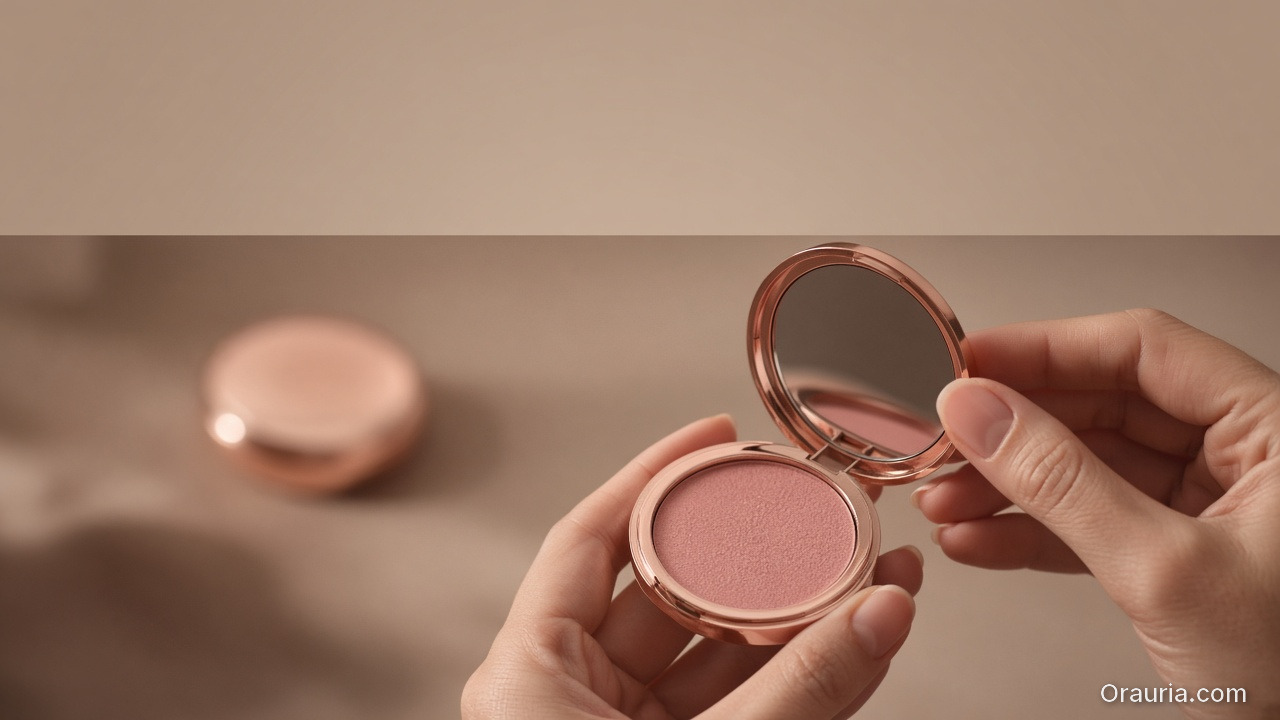
    Hands open a rose-gold compact in a first-second reveal, with a closed compact soft in the background and empty space at the top of the frame

    Hook structure that survives silent viewing

    Good hooks for silent scroll usually contain:

    • a visual transformation cue (before/after or “reveal” moment),
    • an on-frame value hint (short text, safe zones),
    • a rhythm rule (no waiting for narration).

    Even if you generate with AI, your hook should be designed, not discovered.

    A QC desk with a rose-gold compact, two face-consistency portraits, a blank caption card, and an open checklist notebook

    QC checklist (the parts that actually fail)

    Before you ship, verify:

    1. First-second readability: can the product be recognized without motion blur?
    2. Text timing: does the value text appear before the scene gets busy?
    3. Caption tone: does the caption agree with the visual promise?
    4. Kit stability: is the face/character consistent across variants (if used)?

    If any item fails, you don’t “regenerate randomly”. You go back to the gate: update the world kit or lock the missing constraint.

    What to do next

    If you already have TikTok Shop scenes, you can reuse the mindset:

    But the IG upgrade is to prioritize silent readability and one-world kit stability.

    Ship weekly drops with templates:

  • Instant High-Converting Marketing Copy with AI: The Brief-to-Caption Gate

    Instant High-Converting Marketing Copy with AI: The Brief-to-Caption Gate

    The scared story says AI generates better copy.

    The accurate story is quieter: AI can write, but it cannot reliably align your voice with your offer across formats.

    So the real bottleneck becomes a human gate: brief → intent → constraints → voice → output.

    Key Takeaways

    • The problem is rarely “language quality”. It’s alignment drift between your brand kit and the generated text.
    • Use a Brief-to-Caption Gate: copy should not be “prompted”, it should be routed and checked.
    • A good copy workflow ships as templates + rules, not as one-off prompts.
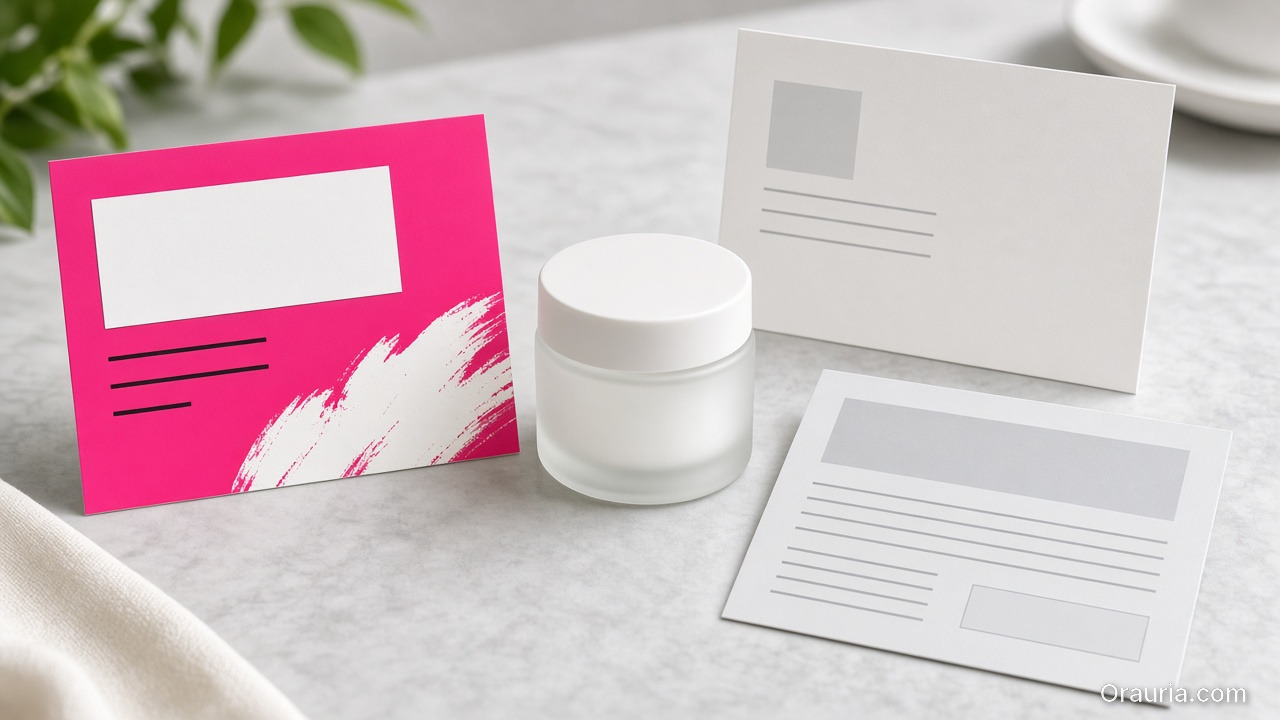
    A frosted cream jar between three mismatched blank layouts: a loud pink ad card, a sparse caption card, and a cold clinical product-page card

    Why marketing copy fails in AI workflows

    Copy fails when you treat it like:

    • a standalone text task (no kit),
    • a new prompt per channel (no gates),
    • or a “rewrite until it sounds good” loop (no constraints).

    That’s how you get three versions of the same message:

    1. ad copy that overpromises,
    2. caption that under-explains,
    3. product-page tone that doesn’t match the campaign.

    The audience notices. Even if they don’t read every word.

    The Brief-to-Caption Gate (3 layers)

    An open notebook with short blank lines, a buyer silhouette card, a late-night lamp, a frosted cream jar, and a blank offer card

    1) Brief layer: compress the job into 3 lines

    Use your existing template:

    • Buyer (who it’s for)
    • World (setting/tone)
    • Close (desired response)

    If your brief can’t be spoken in one breath, your copy will splinter into variants.

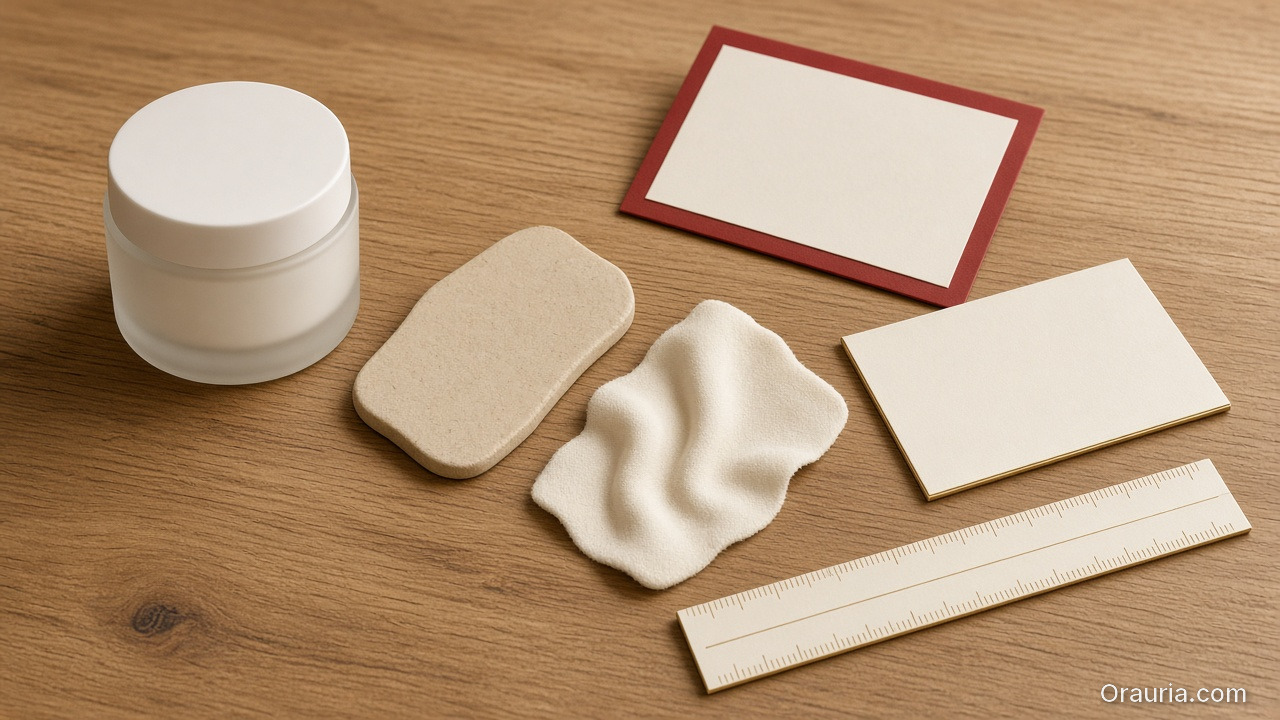
    A frosted cream jar with beige swatches, a red-edged blank no-go card, a gold-edged must-keep card, and a typographic ruler with no letters

    2) Constraints layer: attach the brand kit rules

    Before generating anything, lock:

    • tone (serious vs playful),
    • claim safety (what you can’t say),
    • formatting rules (CTA style, length ranges),
    • “no-go phrases” and “must-keep phrasing”.

    Think of this like a kit checksum: copy either passes it or gets re-routed.

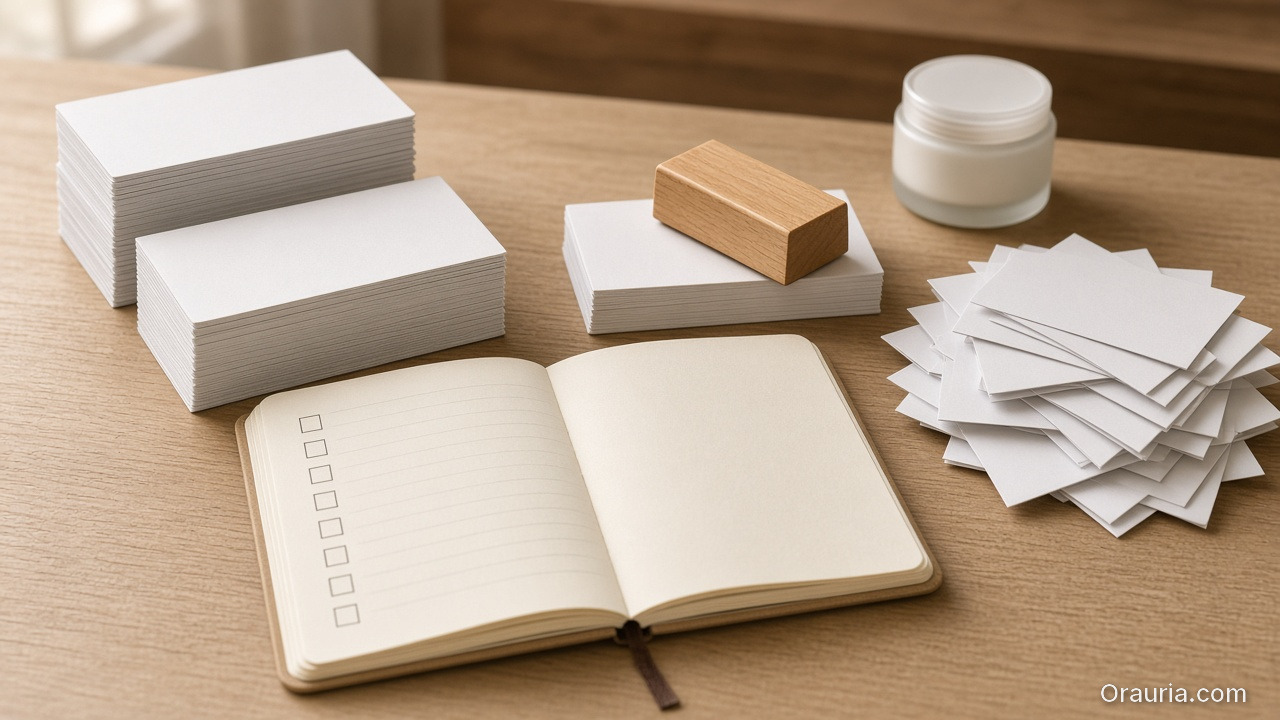
    A copy QA desk with stacked blank cards, a wooden approval block on a tidy pile, a loose reject pile, an open checklist, and a cream jar

    3) Gate layer: QA the output, then approve

    QA questions that catch most failure modes:

    QA checkWhat you prevent
    Does it match the 3-line Close?Wrong offer / wrong CTA
    Are claims precise (no vague superlatives)?Overpromising & mismatch
    Does tone stay inside your kit rules?Voice drift across formats
    Can you reuse it across channels?“One ad, one prompt” waste
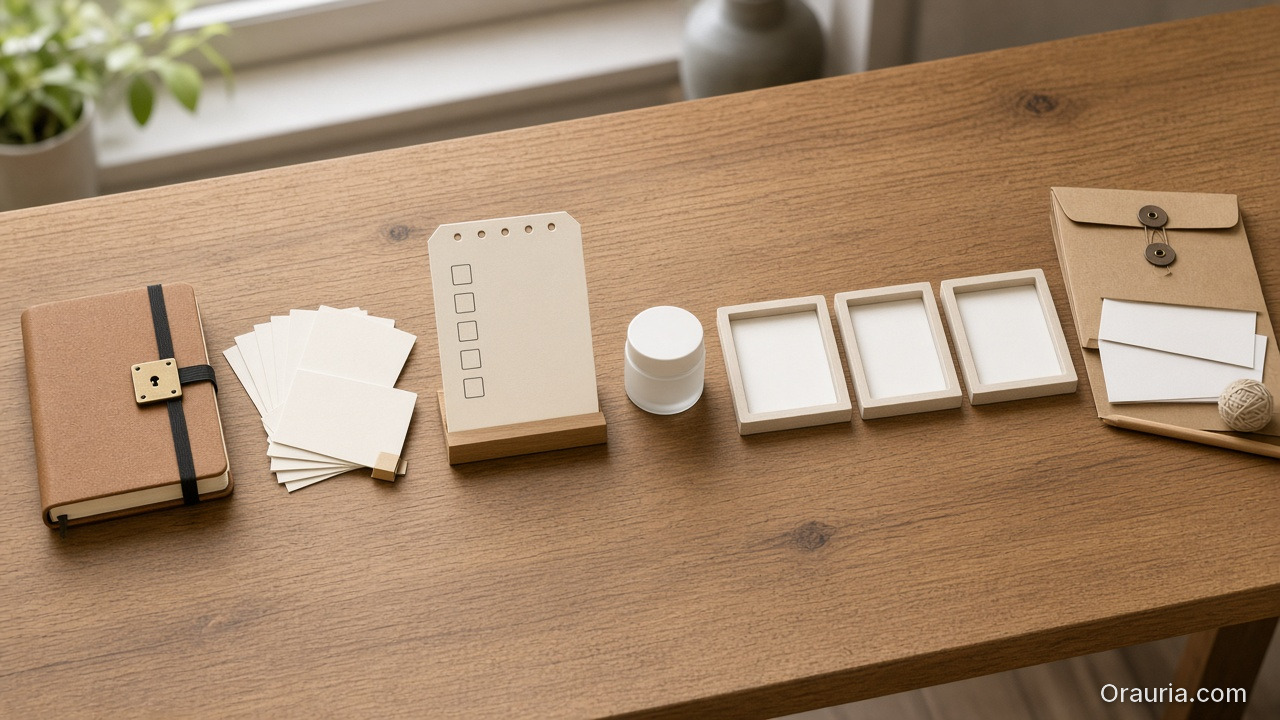
    A five-station desk line: a locked notebook, a fan of draft cards, a checklist, three empty frames, and a kraft shipping envelope beside a cream jar

    A workflow you can reuse in every campaign

    Follow this loop:

    1. Lock: brief + kit constraints (one time per campaign)
    2. Draft: generate 6–10 caption variants (fast)
    3. Gate: filter by QA checks (strict)
    4. Route: pick 1 winner per channel (ad / reel / product)
    5. Ship: export the final kit into your content system

    This is the same mindset as node thinking: you’re building a reusable graph, not a queue of random prompts.

    If you want the exact framework for “upload → brand style → generate → upscale → crop”, start with:
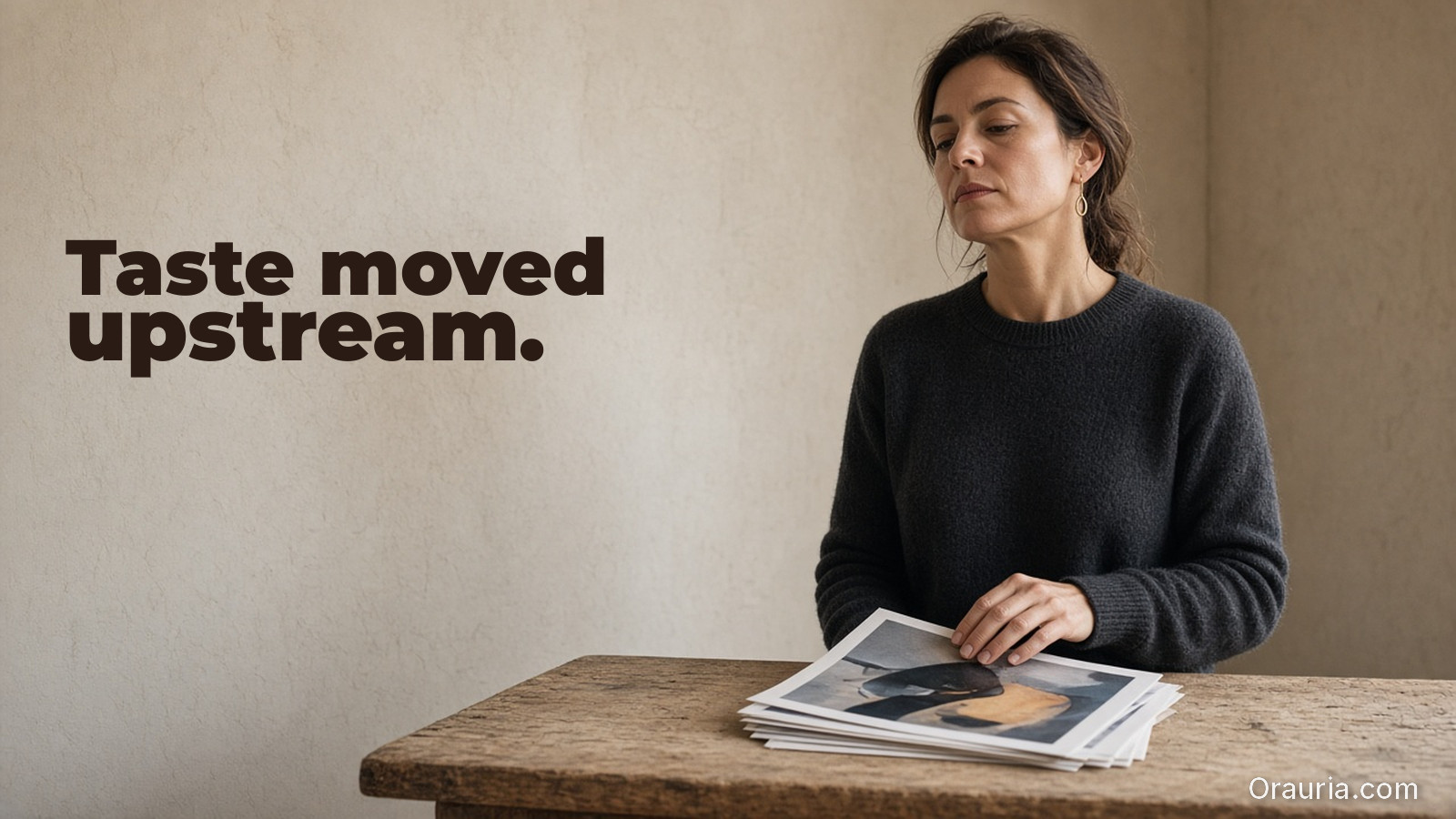
    A frosted cream jar and a warm bedside lamp behind three blank format mockups: a square ad, a vertical reel, and a product-page crop

    Example: turning a short brief into 3 formats

    Given a brief for a skincare drop:

    • Buyer: busy beauty shoppers
    • World: calm, late-night routine
    • Close: “buy now, first-time protection”

    Your workflow generates:

    • an ad caption that reads like a promise (but stays claim-safe),
    • a reel script with a silent-suitable hook,
    • a product-page microcopy that repeats the same Close without sounding repetitive.

    The important part: every output shares the same gate-approved core.

    What to do next

    If you’re already generating copy, the biggest upgrade is to stop writing prompts from scratch.

    Create your Brief-to-Caption Gate once, then reuse it across weekly drops.

    Start here:

  • From 1-Month Campaign to 1-Week: Agile Creative with AI

    From 1-Month Campaign to 1-Week: Agile Creative with AI

    Leadership hears “AI” and hears “one-week campaigns.” Teams hear “AI” and feel seven days of unmanaged chaos. Compression without method just moves the all-nighter earlier.

    Agile content production AI is not speed for its own sake. It is smaller creative bets, a locked kit, daily gates, and a slot map — so a month of visuals becomes a week of disciplined loops.

    Key Takeaways

    • Agile creative = cadence + kit + gates, not more seeds per hour.
    • Buffer-style consistency research shows steady presence beats sporadic spikes — agile weeks should compound, not thrash (Buffer, 2025–2026).
    • Steal the spine from node thinking and phone → campaign.
    • Seasonal teams already practice this when one world serves many SKUs (swim season playbook).
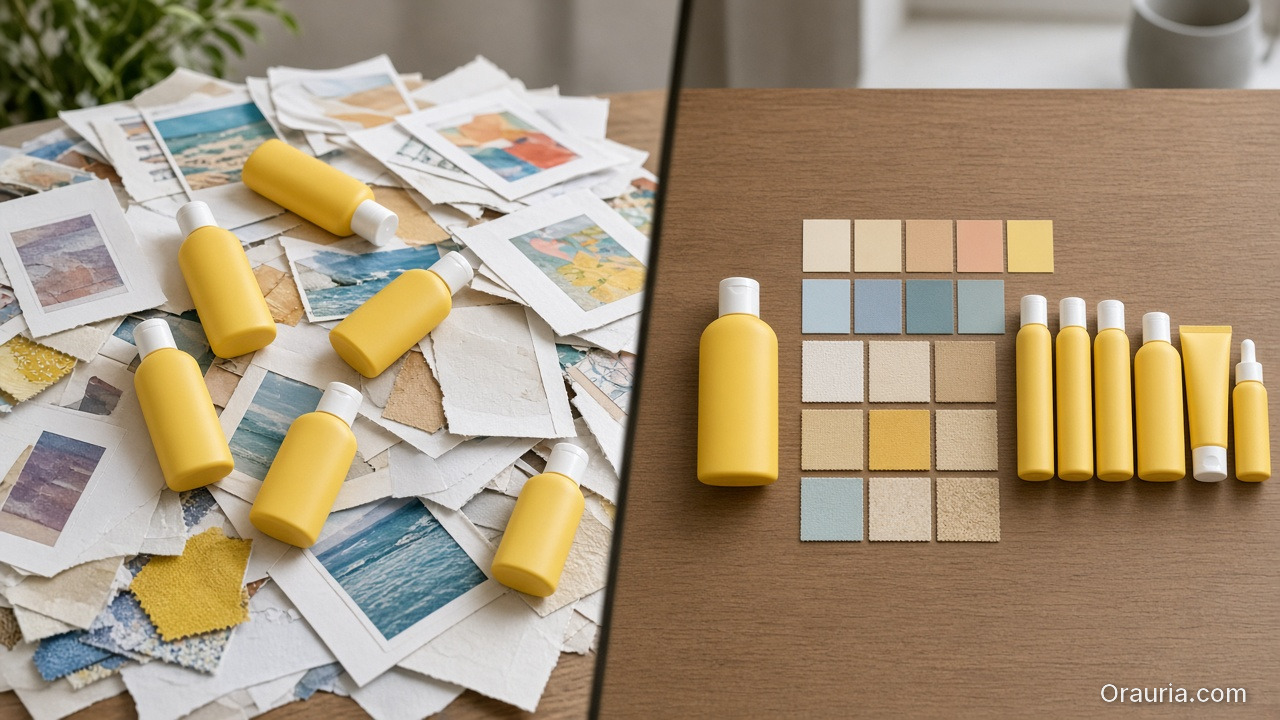
    A split desk: chaotic yellow bottles and mixed prints on the left, a locked yellow sunscreen kit with tidy swatches and SKU variants on the right

    Why “Just Use AI” Does Not Create Agility

    Fake agileReal agile
    New brief dailyStable kit, varying SKUs/slots
    New model dailyRouted bottlenecks
    No rejectsDaily curator block
    Giant hero betSmall testable scene set
    Friday crop panicSlot map from day one

    AI accelerates whichever process you already have — including a bad one.

    Agile creative is risk sizing. You shrink the bet size so feedback arrives before the budget is gone.

    A five-station week on a desk: a locked notebook, packshot stills, lifestyle scene prints, a ratio crop sheet, and a kraft envelope with a yellow bottle

    A One-Week Campaign Spine

    DayFocusOutput
    MonBrief + kit lock3-line briefs, no-gos
    TueTruth mastersPackshots / product locks
    WedScene jobsHook/demo/lifestyle winners
    ThuAdapt + QARatios, localization if needed
    FriShip + learnLive set + notes for next week

    Keep the kit across weeks. Change SKUs and hooks — not identity.

    A yellow sunscreen bottle as the single truth product beside a tall pile of unused lifestyle prints, a closed laptop, and a blank calendar card

    What to Cut From the Old Month

    • Endless exploration after lock
    • Redesigning the world mid-flight
    • Meetings that re-open shade/geometry decisions
    • Upscaling rejects
    • Twelve lifestyles before one Truth frame

    Replace with curator hours on the calendar — non-negotiable.

    Soft CTA

    Run weekly ecommerce creative loops in one system: Workflow · Ecommerce

    Frequently Asked Questions

    Can every brand compress to one week?

    Not every scope. Hero films and regulatory launches may need longer. Always-on catalog and social sets are ideal for weekly loops.

    Does agile mean lower quality?

    It means earlier gates. Quality often rises because rejects happen before spend piles up.

    How many variants per week?

    Enough to staff slots — not enough to skip contact-sheet review. Start with one winner per job.

    Who owns the week?

    An AI creative director role — even if one freelancer wears the hat.

    Conclusion

    AI makes a one-week campaign possible. Process makes it non-destructive.

    Lock the kit. Staff daily gates. Map slots. Learn on Friday. That is agile content production AI — a month of outcomes without a month of thrash.


    References

    1. Buffer, Buffer Data — consistency study. https://buffer.com/resources/buffer-data/
    2. Adobe, 2026 Creators’ Toolkit Report, June 16, 2026. https://news.adobe.com/news/2026/06/creators-toolkit-report-2026
  • Your Deliverable Is a Creative System, Not Just Files

    Your Deliverable Is a Creative System, Not Just Files

    Clients ask for “20 AI images.” You deliver a zip. Next week they ask again — new prompt chaos, new drift, same arguments about brand. You get paid for pixels and lose the compound value of process.

    Freelancers who survive AI price pressure sell a different unit: the creative system — templates, kits, graphs, and gates — with files as outputs of that system.

    Key Takeaways

    • Files are perishable. Systems get reused across drops and clients (one workflow, five clients).
    • Package: brief template + kit slot + node graph + reject checklist + slot map.
    • Price the setup; do not hide it inside per-image rates forever.
    • You are practicing AI creative director work even without the title.
    A cardboard box spills unlabeled prints of a terracotta mug across a cluttered freelance desk, souvenir-like and unnamed

    Why PNG-Only Invoices Trap You

    PNG-onlySystem deliverable
    Client owns chaosClient owns a kit
    You re-brief weeklyThey fill a template
    Race to cheaper gensPaid for coherence
    Drift debatesGate language shared

    AI made images cheap. Coherence stayed expensive — bill for that.

    If your zip needs you to interpret it next month, you delivered souvenirs, not a system.

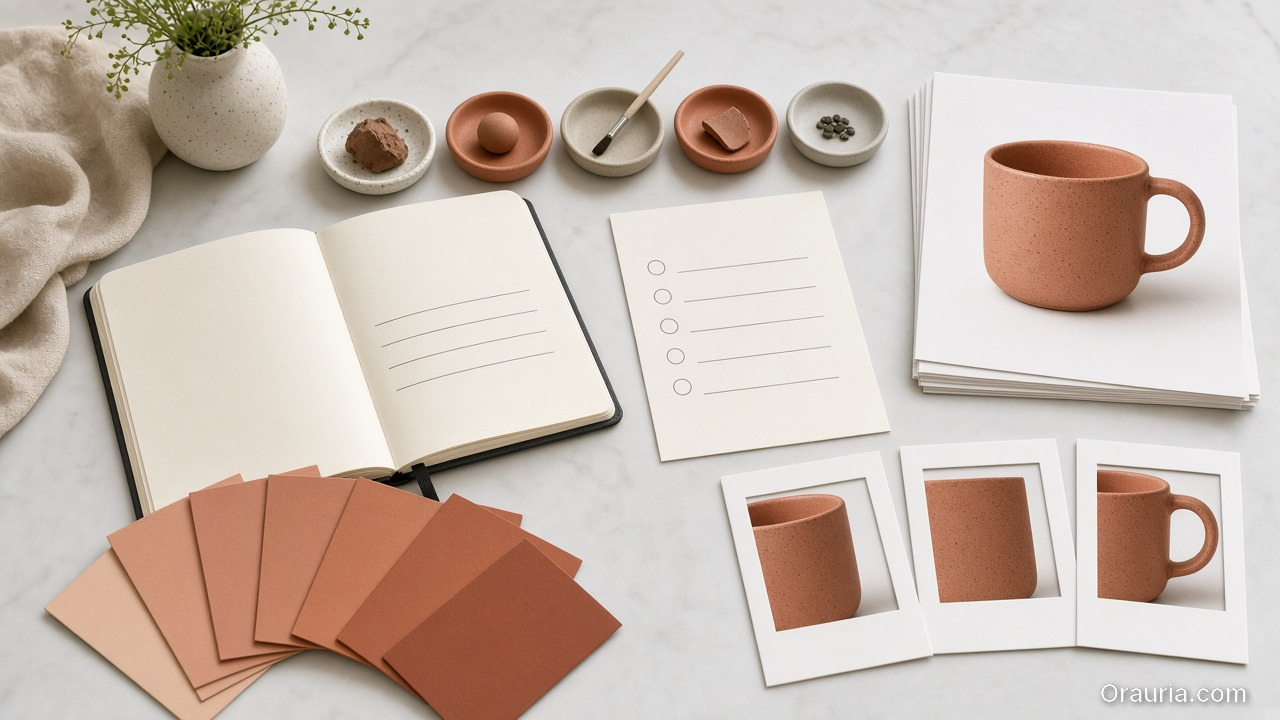
    An organized handoff: a three-line blank notebook, clay swatches, a checklist, stacked master prints of a terracotta mug, and three crop frames

    What to Put in the Handoff

    1. 3-line brief template — blank fields for job / audience / proof
    2. Brand kit slot — palette, light, no-gos, character rules
    3. Node graph — Upload → Style → Generate → QA → Upscale → Crop (node thinking)
    4. Reject checklist — geometry, type, world leak
    5. Channel slot map — which masters feed which ratios
    6. Approved masters — the files, clearly named

    That package is the product. The PNGs are the receipt.

    Three phases on a long oak desk: a clay swatch kit, a line of terracotta mugs toward a small tripod, and two empty chairs with an open blank checklist

    How to Scope It Commercially

    • Phase A — System build (fixed fee): kit + graph + templates
    • Phase B — Drop production (per drop or retainer): run the graph
    • Phase C — Train client (optional): they operate gates with you as QA

    Do not let Phase B absorb unpaid Phase A forever.

    Soft CTA

    Operate client systems in one workspace: Workflow · Pricing

    Frequently Asked Questions

    Will clients pay for “process”?

    They pay when you show the cost of restarting — drift, reshoots, late Friday crops. Show before/after of set coherence.

    What if they only want cheap images?

    Either decline or sell a minimal system (brief + gate) as non-negotiable. Pure pixel racing races to zero.

    How is this different from a brand guideline PDF?

    Guidelines are static. Your deliverable is operable: nodes, checklists, naming, slot maps tied to AI production.

    Can agencies use the same packaging?

    Yes — especially multi-brand teams that need identical spines with swappable kits.

    Conclusion

    Stop selling only endings. Sell the machine that produces endings.

    Brief. Kit. Graph. Gate. Files. That is an AI design deliverable freelancers can defend on price — and clients can reuse without calling you to reinvent Monday.


    References

    1. Adobe, 2026 Creators’ Toolkit Report, June 16, 2026. https://news.adobe.com/news/2026/06/creators-toolkit-report-2026
    2. Buffer, How to Grow on Social Media in 2026 (consistency compounds). https://buffer.com/resources/creator-growth-playbook/
  • The AI Creative Director: How the Designer Role Is Shifting

    The AI Creative Director: How the Designer Role Is Shifting

    The scared version of the story says AI replaces designers. The accurate version is quieter: pixel production got cheaper, so the scarce skill moved upstream. The designers who win in ecommerce now act like AI creative directors — they own briefs, kits, gates, and routing — not like button operators racing every model release.

    Key Takeaways

    • Adobe’s 2026 Creators’ Toolkit Report found 57% of creators still edit AI outputs moderately or extensively — direction and curation remain human bottlenecks (Adobe, 2026).
    • 42% say AI-generated work makes distinctive voices harder to surface — kits and gates are how brands stay recognizable.
    • The role shift: from “make the asset” to “define the system that makes assets.”
    • Tools: 3-line brief, node thinking, model after direction.
    A calm director desk with a three-line blank brief, a locked deep-green serum kit and swatches, forest stills, and empty channel frames

    What Is an AI Creative Director in Practice?

    Not a job title on LinkedIn. A responsibility set:

    Old defaultAI creative director default
    Open tool, promptOpen brief, lock kit
    Chase pretty seedsRoute by bottleneck
    Deliver filesDeliver a reusable graph
    Fix in polishReject at gate
    One-off heroSlot map across channels

    Freelancers already feel this when one template serves five clients (workflow template).

    AI did not remove taste. It moved taste earlier — before generate — and made late taste expensive.

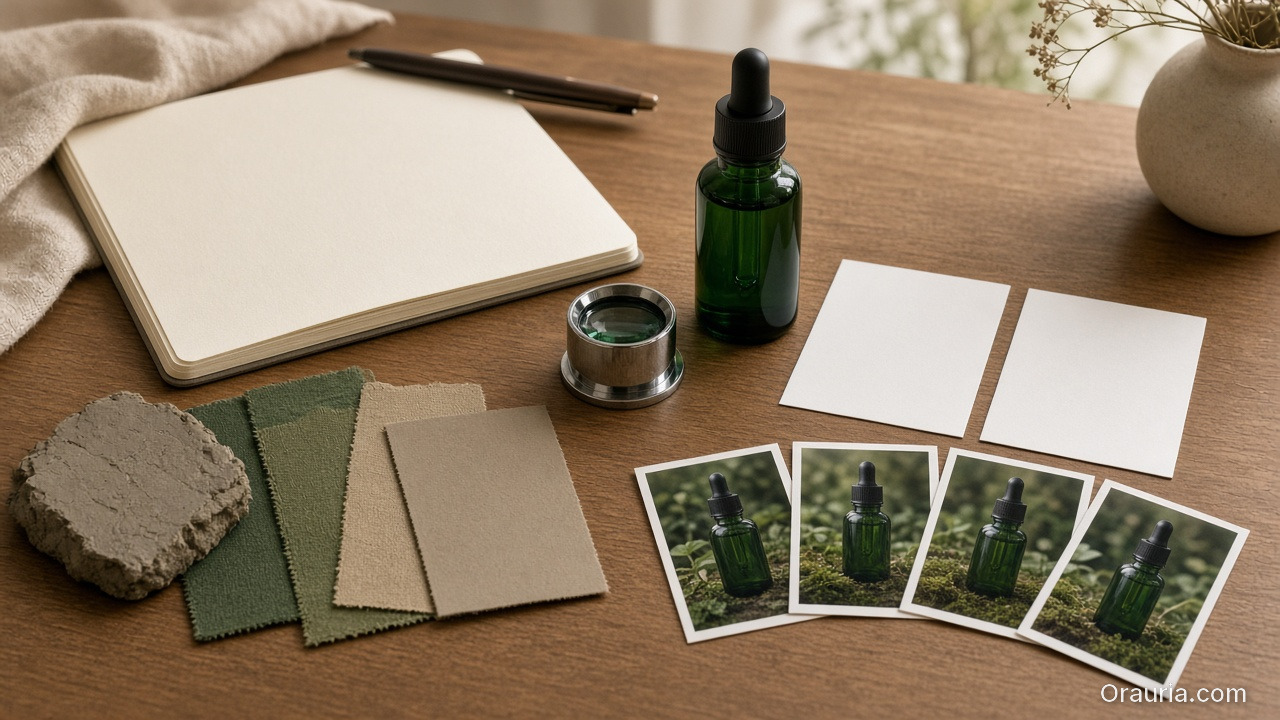
    Five skill objects: a blank notebook, forest swatches, a loupe by a green serum bottle, two blank routing cards, and a short arc of bottle stills

    Skills That Compound

    1. Brief compression — say the job in three lines
    2. Kit literacy — palette, light, character, no-gos
    3. QA vocabulary — geometry, shade, typography, world leak
    4. Routing — which model family for which bottleneck
    5. Narrative systems — arcs over one-offs for creators/brands

    Scattered stacks punish people who only know buttons (Orauria vs scattered stack).

    A split desk: a messy pile of pretty floral prints and a blank sticky on the left, a locked green serum kit, a slot frame, and an empty checklist on the right

    What Leaders Should Stop Asking Designers

    • “Can you make it pop?” without a job
    • “Try the new model” without a gate
    • “Just upscale it” after a failed Truth frame
    • Volume targets without curator hours

    Ask instead: What is the slot? What is locked? What fails the set?

    Soft CTA

    Build direction-first ecommerce workflows: Workflow · Studio Guide

    Frequently Asked Questions

    Does AI creative director mean managers only?

    No. Individual designers and freelancers practice it whenever they own brief → kit → gate → route.

    Will junior designers be obsolete?

    Juniors who only push pixels struggle. Juniors who learn QA and kits accelerate — because volume needs more gates, not fewer.

    How is this different from a traditional CD?

    Same ownership of coherence — faster loops, more variants, stricter need for written kits because models forget.

    What should I learn first?

    Three-line briefs and a personal reject checklist. Then node thinking.

    Conclusion

    The designer role is not disappearing. It is concentrating on direction.

    Own the brief. Guard the kit. Staff the gates. Route the models. That is the AI creative director shift — and the unfair advantage in ecommerce creative teams.


    References

    1. Adobe, 2026 Creators’ Toolkit Report, June 16, 2026. https://news.adobe.com/news/2026/06/creators-toolkit-report-2026
    2. Adobe, Inaugural Creators’ Toolkit Report (Adobe MAX 2025), October 28, 2025. https://news.adobe.com/news/2025/10/adobe-max-2025-creators-survey
  • Beauty Catalogs Across Languages: Shade Truth First, Claims Second

    Beauty Catalogs Across Languages: Shade Truth First, Claims Second

    Beauty goes global faster than packaging teams can reshoot. The failure mode is familiar: regenerate the whole lifestyle for each language, watch the foundation shade drift, and discover marketplace complaints that “the bottle looked different.”

    AI beauty catalog localization extends cross-border image rules (ecommerce localization) with a beauty-specific law: shade and formula cues are sacred; marketing claims are what you translate.

    Key Takeaways

    • Never “re-beautify” the SKU while translating overlays — color match is the product.
    • Keep ritual contexts from beauty lifestyle mapping; swap language layers, not bathrooms every market.
    • Claim sheets per locale beat prompt translation.
    • Upscale only after shade QA (upscale after QA).
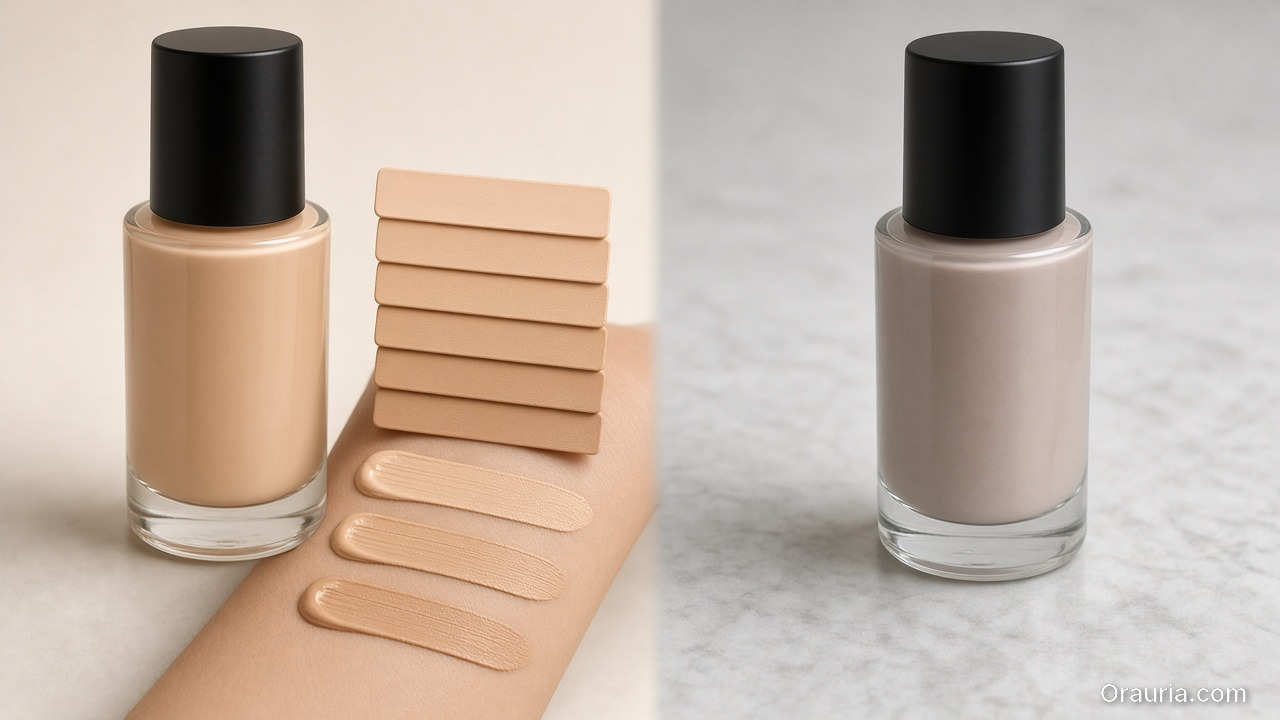
    A warm beige foundation bottle with matching shade chips and arm swatches on the left, versus a cooler mismatched bottle on the right

    Why Is Beauty Localization Harder Than Soft Goods Copy?

    Because buyers purchase color and texture promises.

    Safe to localizeDangerous to regenerate
    Promo badgesFoundation shade
    Hook linesSerum tone in bottle
    Units / legal linesCap and label print fidelity
    Ingredient callouts (approved)“Glow” that changes undertone

    If localization changes undertone, you did not translate — you SKU-swapped.

    In beauty, mistranslation is annoying. Mishade is a return. Treat color like a regulatory asset.

    Beauty Localization Stack

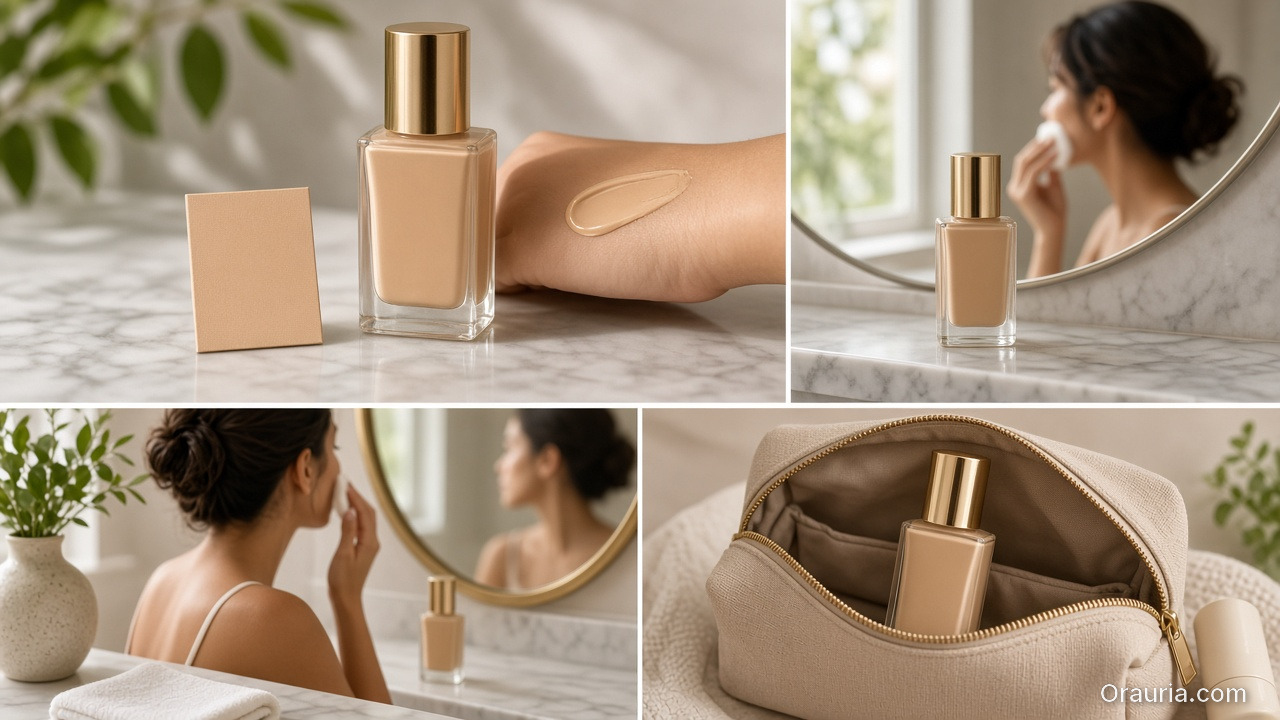
    A foundation packshot with a shade chip and arm swatch, plus ritual stills at a morning mirror and in a travel pouch

    Master layer (global)

    • Packshot truth (packshot thinking)
    • Shade chip / arm swatch if used
    • Ritual scene family (morning mirror, bag, travel)
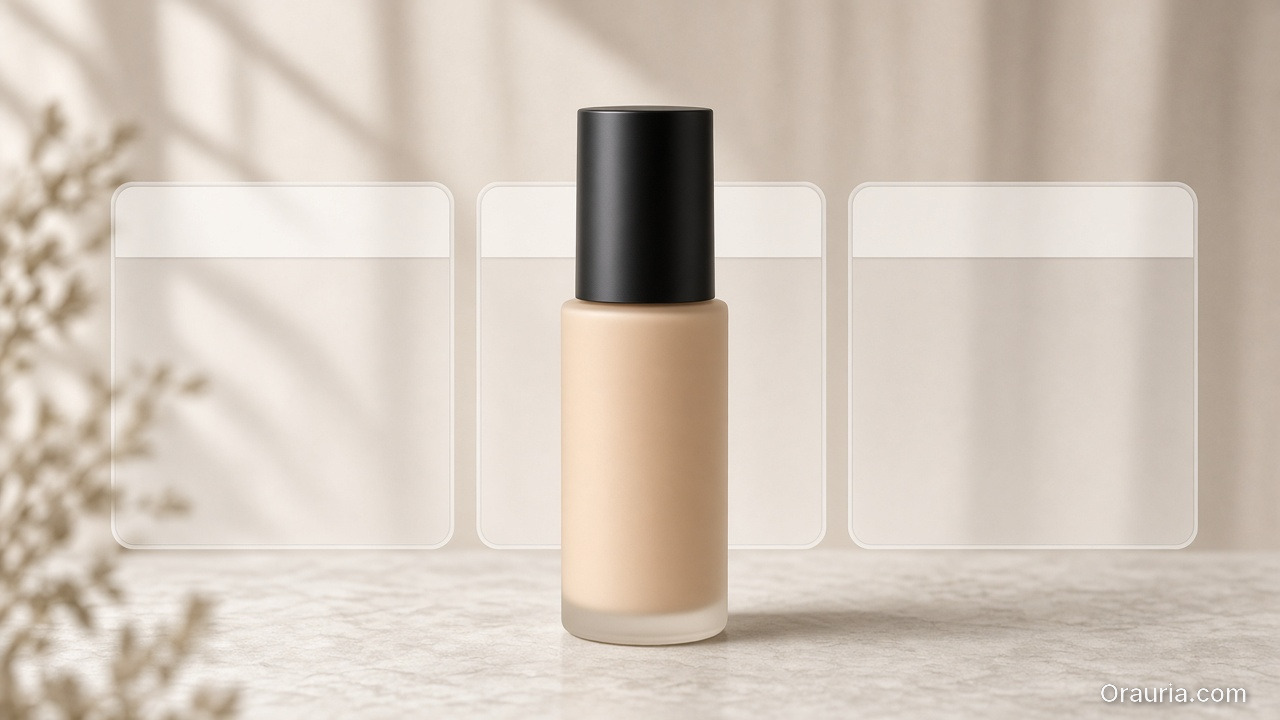
    The same foundation bottle in front of three empty overlay frames with blank safe-zone strips and no letters

    Claim layer (per locale)

    • Hook, offer, disclaimer, unit system
    • Character limits per marketplace
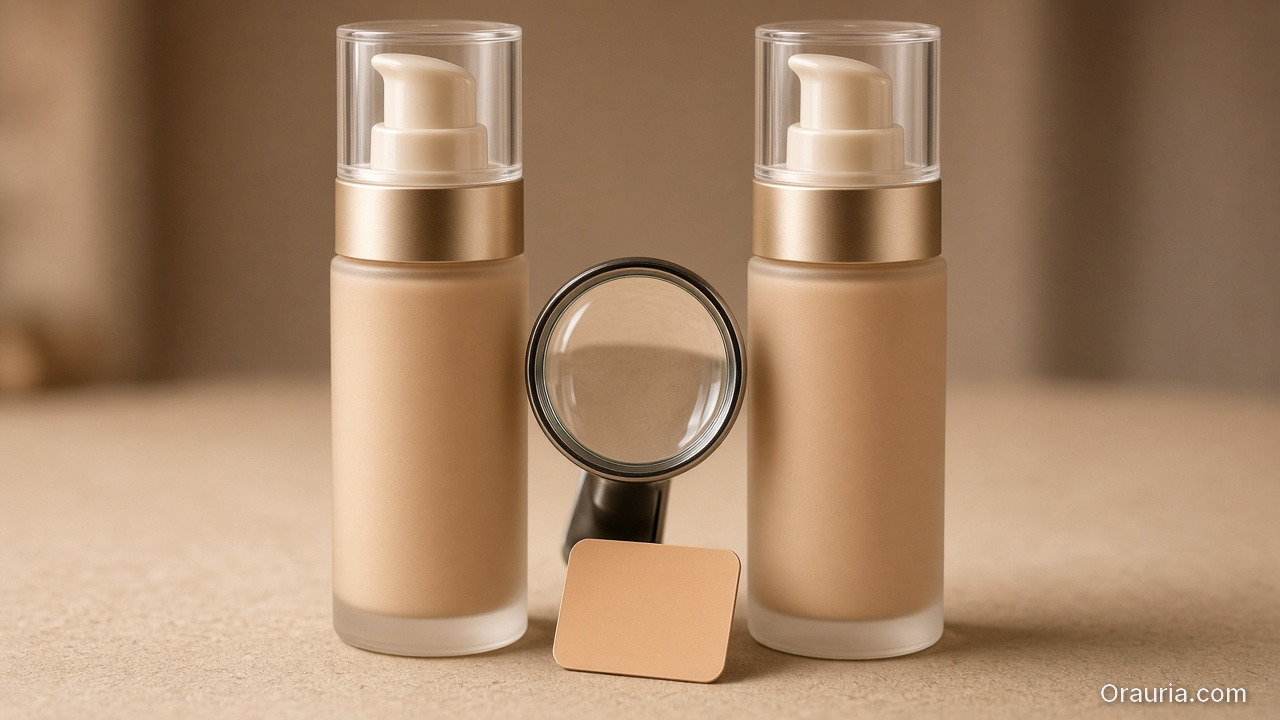
    Two nearly identical foundation pump bottles side by side with a loupe and a shade chip confirming the color is unchanged

    Gate

    • Side-by-side diff: bottle geometry + shade unchanged
    • Text accuracy reviewed by market owner
    A locked foundation bottle at the center, surrounded by four same-ritual frames with empty typography-safe bands and identical shade

    Playbook: One Shade, Many Languages

    1. Approve shade-true master stills
    2. Build claim sheet EN → target locales
    3. Localize overlays in safe zones only
    4. Diff QA against master
    5. Attach locale packs to the brand kit for the next SKU drop
    6. Keep ritual contexts stable across languages unless culture blocks a scene

    Soft CTA

    Keep beauty catalogs coherent across markets: Ecommerce · Packshot

    Frequently Asked Questions

    How is this different from general ecommerce image localization?

    Same master-and-layer system — with stricter shade/texture gates and beauty ritual contexts.

    Can AI translate text on the physical label?

    High risk. Prefer real packaging photography for Truth; localize marketing frames separately.

    Should every market get new lifestyle bathrooms?

    Only when culture requires it. Default to one ritual kit + language layers.

    What should QA zoom on first?

    Shade, pump/cap geometry, then translated claims.

    Conclusion

    Translate claims. Protect shade.

    Master first. Locale layers second. Diff always. That is AI beauty catalog localization that grows markets without multiplying undertones.


    References

    1. Lumepixa, AI Product Photography Statistics 2026. https://lumepixa.app/blog/ai-product-photography-statistics
    2. Adobe, 2026 Creators’ Toolkit Report, June 16, 2026. https://news.adobe.com/news/2026/06/creators-toolkit-report-2026
  • Seasonal Swim Campaigns with AI: Fast Drops Without Losing the World

    Seasonal Swim Campaigns with AI: Fast Drops Without Losing the World

    Swim drops do not wait for studio weather. Colors change weekly. Cuts multiply. The brand that regenerates a new beach every SKU looks like a stock site by mid-season.

    AI swimwear campaign images scale when you freeze a season world, swap garment refs, and gate fit — the same spine as a zero-budget lookbook, tuned for sun, water, and fabric cling.

    Key Takeaways

    • Seasonal speed comes from one world × many SKUs, not one prompt × many worlds.
    • Swim fabrics exaggerate fit errors — treat try-on gates seriously (virtual try-on ads).
    • Map campaign scenes with SCENE: hero stand, waterline, detail, motion freeze, shade/lifestyle.
    • Keep batch kit rules for palette and light across the season.
    A locked rocky-coast swim world with two coordinated one-piece suits on a chair and towel, versus three mismatched stock-like beaches, a night pool, and a foggy shore

    Why Do Seasonal AI Sets Look Cheap Mid-Campaign?

    Because time pressure invites world hopping.

    Fast bad habitSeason-safe habit
    New beach per colorwayOne locked coast/pool kit
    New model per drop weekOne character family
    Explore-first alwaysRefs-first after week one
    Publish every generateCurator gate on cling/fit

    Speed without a kit is just accelerated drift.

    Seasonal commerce rewards recognizable weather. Shoppers should feel “same summer, new cut” — not “new planet every Thursday.”

    A teal one-piece, linen towel, and teak chair on sun-warmed coastal rock, with a locked rocky cove and turquoise water behind

    Season World Checklist

    Lock before the first SKU batch:
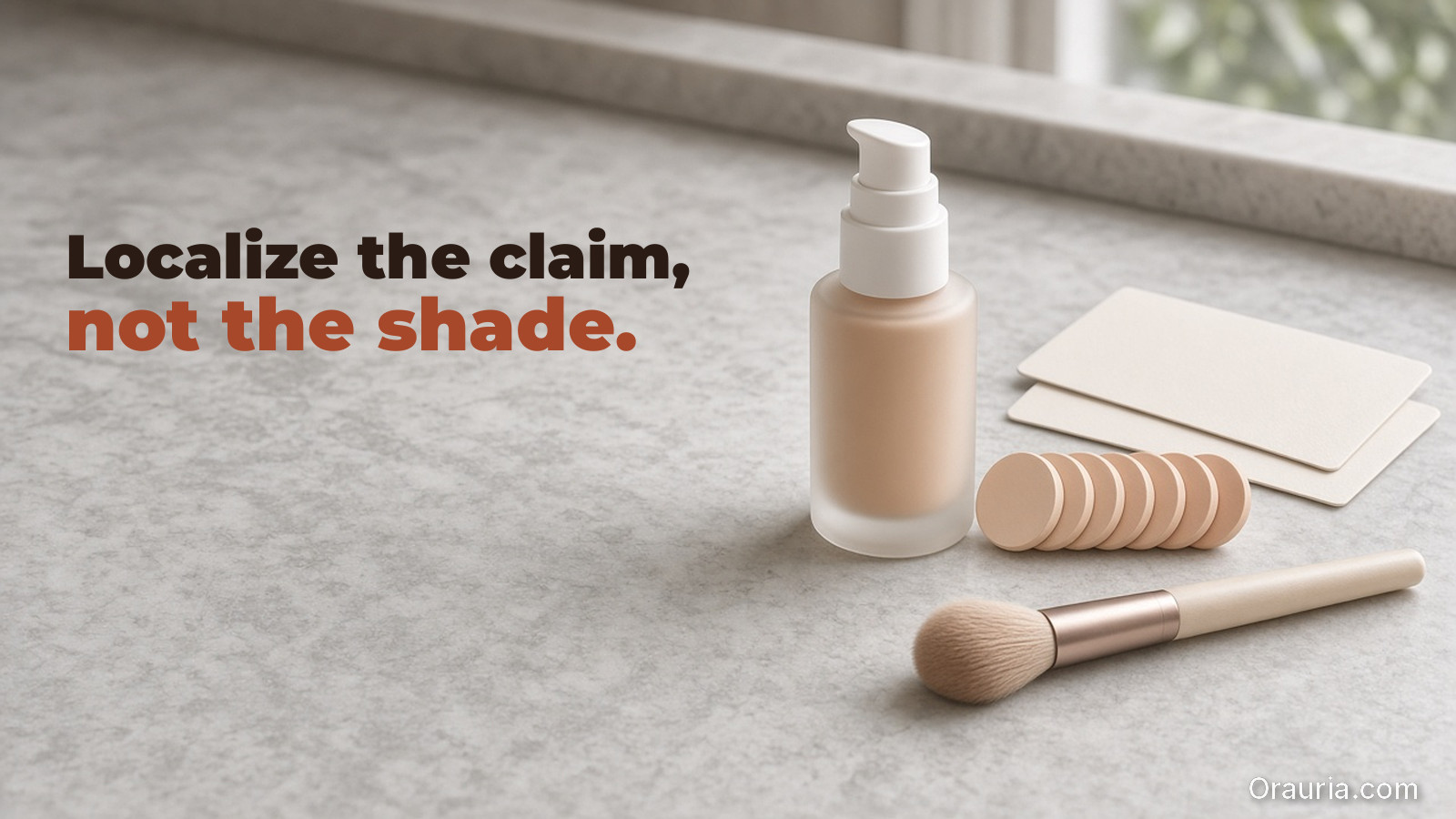
    • Location class (pool / rocky coast / urban sun)
    • Time of day + light temperature
    • Water presence rules (wet fabric yes/no)
    • Prop kit (towel, chair) — minimal
    • Character / body anchors

    Write it in ten lines. Reuse all season.

    Playbook: Weekly Swim Drop
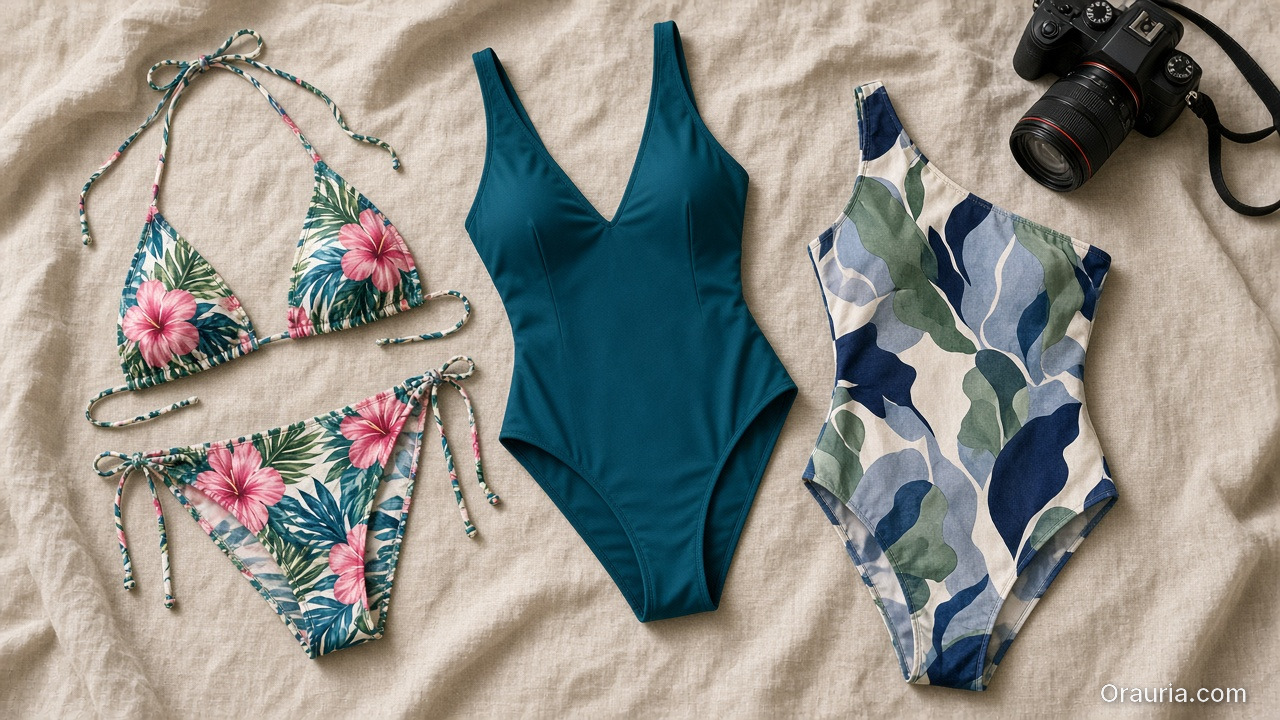
    Flat-lay of a floral bikini, a solid teal one-piece, and a printed one-piece on linen, with a camera for garment references

    Monday — Refs

    Photograph or flat-lay each new cut. Capture print scale.

    A teal one-piece swimsuit displayed as a hero still on a sunlit rock at the turquoise waterline of a locked rocky cove

    Tuesday — Generate in-world

    On-body + hero stills with garment lock. No new locations.

    A curator at a studio desk comparing two nearly identical coastal swim campaign prints with a loupe, no captions on the prints

    Wednesday — Gates

    • Fit/cling accuracy
    • Print placement
    • Character continuity
    • World leak check (suddenly indoor marble)

    Thursday — Channel crops

    Feed / Story / Shop hooks from winners (scene jobs).

    Friday — Archive

    Winners enter the season kit for next colorway swaps.

    Soft CTA

    Ship seasonal listing and campaign stills from locked worlds: Listing Images · Photography

    Frequently Asked Questions

    How many scenes does a swim campaign need?

    Five strong in-world scenes beat fifteen unrelated beaches. Expand SKUs, not planets.

    Wet look — generate or shoot?

    If wet drape matters to the SKU story, brief it explicitly and QA cling. Do not invent wetness that misrepresents fabric.

    Can I reuse last year’s world?

    Yes if brand season identity continues. Update props lightly; keep light logic if it still matches the collection.

    What breaks swim AI images most?

    Print drift on small patterns and strap geometry errors. Zoom those first.

    Conclusion

    Seasonal swim is a world business.

    Lock summer once. Swap cuts weekly. Gate fit. Crop for channels. That is how AI swimwear campaign images stay fast without looking rented from a stock library.


    References

    1. Adobe, 2026 Creators’ Toolkit Report, June 16, 2026. https://news.adobe.com/news/2026/06/creators-toolkit-report-2026
    2. Lumepixa, AI Product Photography Statistics 2026. https://lumepixa.app/blog/ai-product-photography-statistics