Brand Consistency Trap: 5 Times AI Broke Your Visual Identity
Every team that scales AI creative hits the same wall. Image four is beautiful. Image seven is beautiful. Image twelve is beautiful. Together they look like three different brands hired three different agencies on three different continents.
That is the brand consistency trap: AI makes volume easy and coherence hard. The model does not know your palette, your light logic, or your character rules unless you enforce them — and even then, drift finds a way in.
This article documents five failure patterns we see repeatedly in lookbooks, beauty campaigns, and ecommerce batches. Not to scare you off AI — to give you a diagnostic checklist before the damage ships.

Key Takeaways
- AI brand consistency fails in predictable places: light, color, character, scene genericity, and curation gaps — not random model bad luck.
- Adobe's 2026 report found 42% of creators say AI-generated work makes it harder for distinctive voices to surface — volume without guardrails adds to that noise.
- In 2026, 57% of creators say AI outputs need moderate or extensive editing before publish — editing fixes polish; brand rules fix identity (Adobe Creators' Toolkit Report, 2026).
- Recovery always returns to brief + moodboard + references — not a better model or longer prompt.
If you have not read When to Use Reference Images vs Let AI Explore, start there for prevention. This article is the autopsy.
What Is the Brand Consistency Trap?
The trap is mistaking output quality for brand coherence.
| Signal | Healthy batch | Trapped batch |
|---|---|---|
| Individual images | Strong | Strong |
| Set together | Same world | Different worlds |
| Palette | Brand kit | Model defaults |
| Light | Consistent season | Random moods |
| Character | Intentional | Accidentally duplicated or swapped |
| Publish set | 3–5 curated | 12–20 "all good enough" |
AI ecommerce design treats brand as infrastructure. The consistency trap treats brand as an afterthought — fix it in Photoshop later.
Failure #1: Light Logic Broke
What it looked like
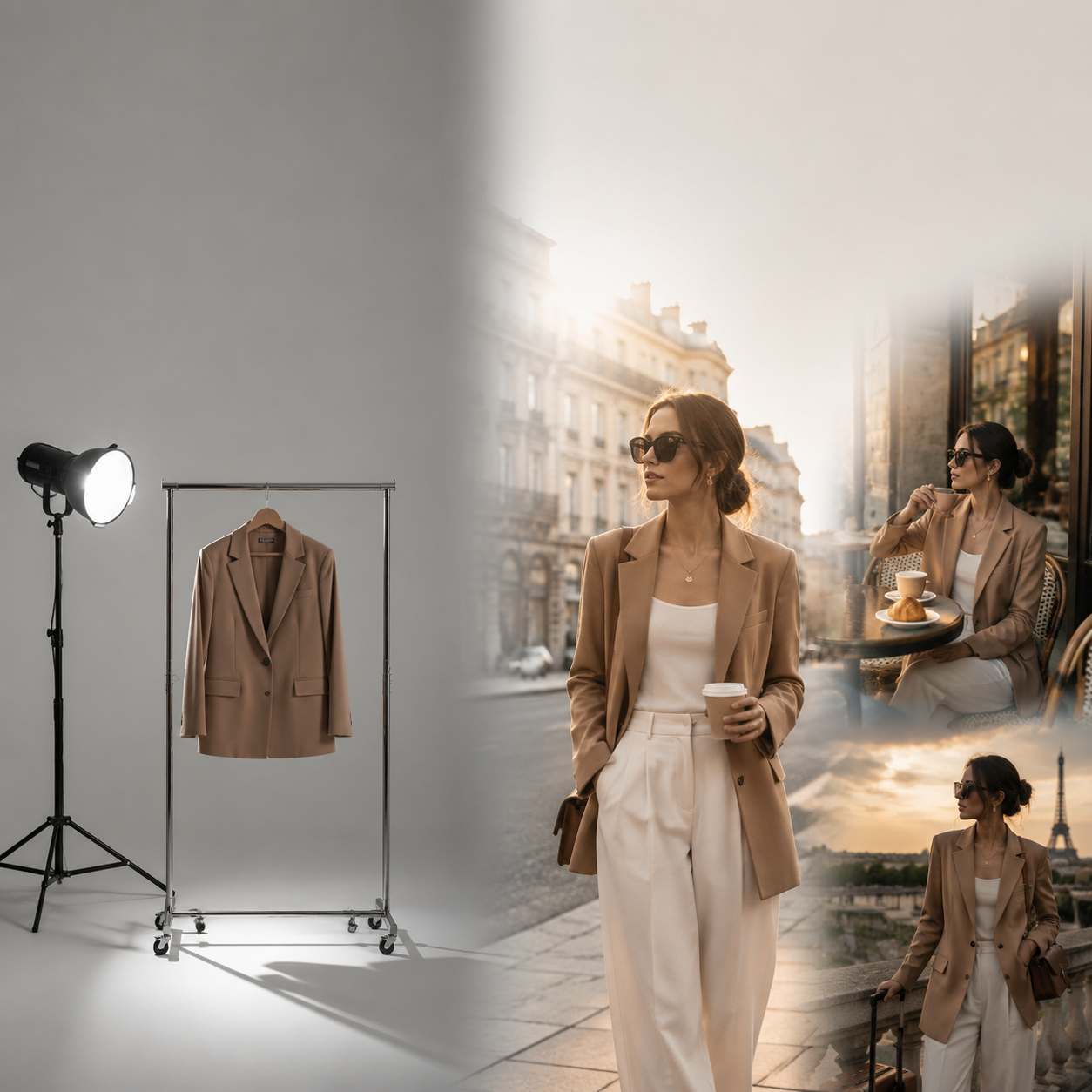
A skincare brand ran eight lifestyle scenes for a serum launch. Scene 1: soft morning window light. Scene 3: cool clinical blue. Scene 5: golden hour warmth. Scene 7: neon bathroom accent from a prompt someone thought sounded "modern."
Each image alone passed review. The Instagram carousel looked like a mood disorder.
Root cause
No light logic rule in the brief. Each prompt described environment without describing time-of-day and temperature. The model defaulted to whatever "looked cinematic" per prompt.
Diagnostic question
If these frames were stills from one film, would they be the same day?
Fix
- Write one sentence: "All scenes: late autumn, soft directional daylight, no neon, no clinical blue."
- Add to Brand Style rules
- Regenerate only the outliers — not the whole batch
- Reference SCENE Context + Emotion rows with light attached
Prevention: Moodboard temperature before render — warm vs cool, soft vs hard — as locked in lookbook thinking.
Failure #2: Color Discipline Drifted
What it looked like
A DTC fashion brand with camel, cream, and soft black palette shipped a lookbook where scene 4 introduced burgundy props, scene 6 had teal wall wash, and scene 8 shifted skin tones warmer than brand guidelines allow.
Nobody chose burgundy or teal. The model did — because prompts mentioned "rich" and "vibrant" without palette constraints.
Root cause
Palette not in the generation brief. Brand hex codes lived in a PDF nobody opened during prompting. Reference images covered product, not environment color.
Diagnostic question
Squint at the set as thumbnails. Do they feel like one Instagram feed — or a stock site search?
Fix
- Pull palette from brand kit — max 5 colors, name them in every prompt block
- Upload moodboard frames that only use approved tones
- Kill any scene with unapproved dominant color — do not "fix in post" if hue is wrong in generation
- For beauty brands, cross-check lifestyle context mapping rows for environment color
Adobe's 2025 survey found 85% of creators would consider AI that learns their creative style (Adobe MAX 2025, 2025) — because manual palette policing does not scale without system support.
Failure #3: Character Face Slipped
What it looked like
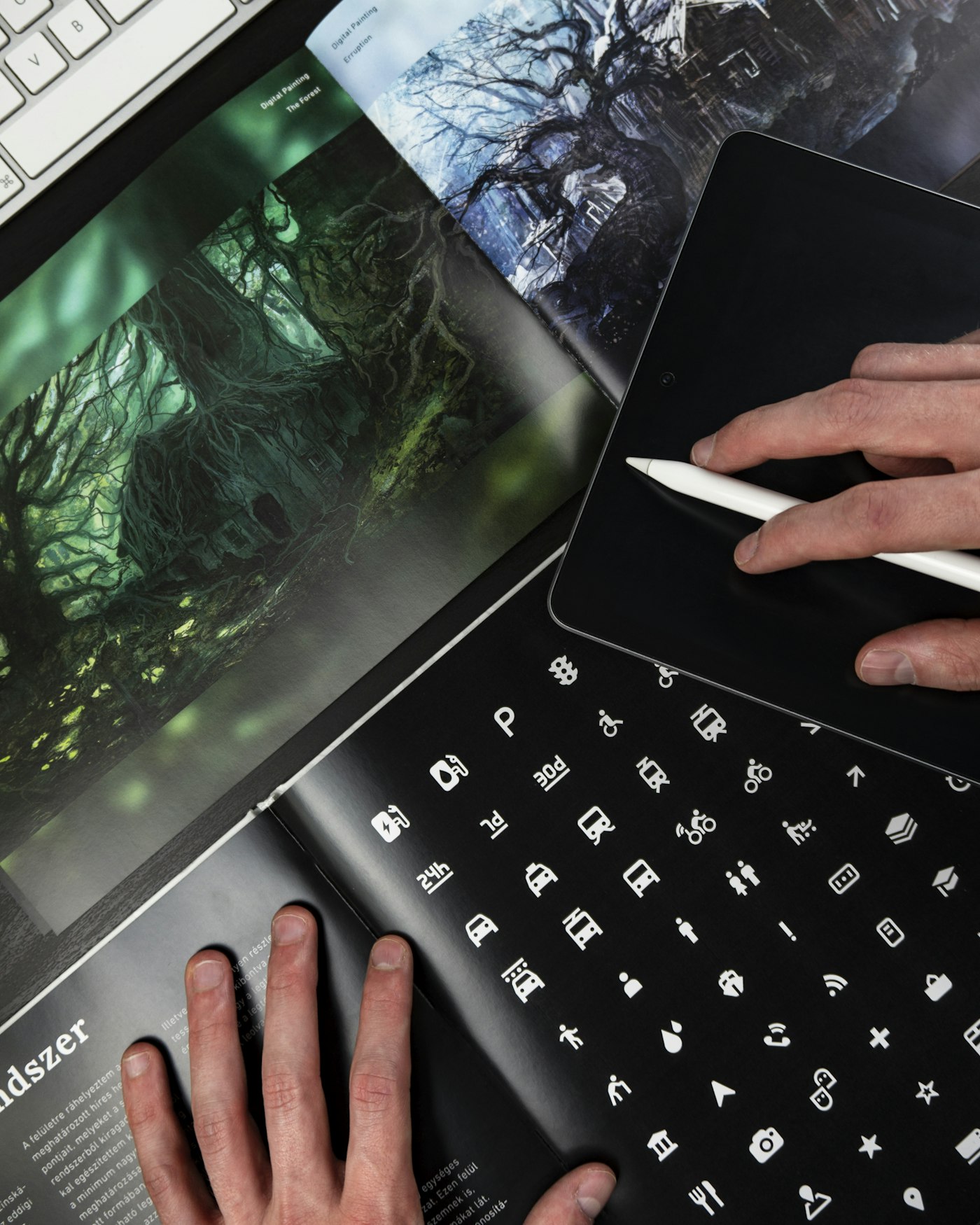
A character-led campaign for a contemporary apparel line used the same "model" across ten scenes. Scene 2 and scene 9 were clearly different people. Scene 5 had the right face, wrong jawline. Marketing approved each image in isolation.
Paid social retargeting showed all three in one week. Comments asked if they changed models mid-campaign.
Root cause
Face treated as a filter, not an asset. Reference uploads were inconsistent — one front shot, one profile from a different session, no posture rules. Explorer and curator were the same person rushing a deadline.
Diagnostic question
Cover the outfit. Can you still name the character?
Fix
- Build a character sheet: 3–4 approved angles, expression range, hair rules
- Reference-heavy mode only — no open exploration for face during scale
- Reject any frame where geometry slips; do not "almost" approve
- For multi-format scale, see upcoming face consistency playbook (HUB 4)
This failure mode is why the eight-scene experiment held character as a control variable — same face, same posture language.

Failure #4: Scenes Turned Generic
What it looked like
A beauty SME generated "luxury bathroom" scenes that looked like every other AI skincare ad: marble, gold fixtures, orchids, fog machine energy. On-brand palette, off-brand world. The product was honest; the context was stock-photo generic.
Shoppers scrolled past. Nothing signaled this brand's point of view.
Root cause
Scene prompts copied category clichés instead of buyer-specific contexts from a context map. No Story row in SCENE — only "beautiful bathroom."
Diagnostic question
Could a competitor swap their product into this scene without changing the prompt?
Fix
- Rewrite scenes from buyer moments, not category keywords
- Add one non-generic detail per scene tied to brand story (real morning mess, real desk clutter, real travel bag)
- Run the competitor swap test before publish
- Explore worlds first, lock with references — explore → lock → scale
Generic is not wrong for marketplace heroes. It is wrong for differentiation — and Adobe notes 53% of creators blame content quantity for harder stand-out (2026).
Failure #5: Volume Shipped Without a Curator
What it looked like
A freelancer delivered twenty AI images to a client "so they have options." The client published fourteen on the website over two weeks — every image technically on brief, collectively incoherent. Light, palette, and scene tone varied across the PDP gallery.
Conversion flatlined. Return rate crept up — products "looked different" than expected.
Root cause
Deliverable confusion. The freelancer sold files, not a curated set. No explorer/curator split. No publish priority table (P0/P1/hold). Client equated more images with more professionalism.
Diagnostic question
How many images would you remove if you could only keep five?
If the answer is more than half, you had a curation problem — not a generation problem.
Fix
- Contract for campaign kit (3–5 images + workflow), not raw folder
- Adopt P0/P1/hold publish table from experiment protocol
- Adobe: 85% insist final creative decision stays human (2026) — bake that into process
- Save phone-to-campaign template so next batch starts from rules, not zero
Adobe also reports 93% say AI helps them produce faster (2026) — speed without curation is how brands outrun their own identity.
How Do You Audit a Batch Before Publish?
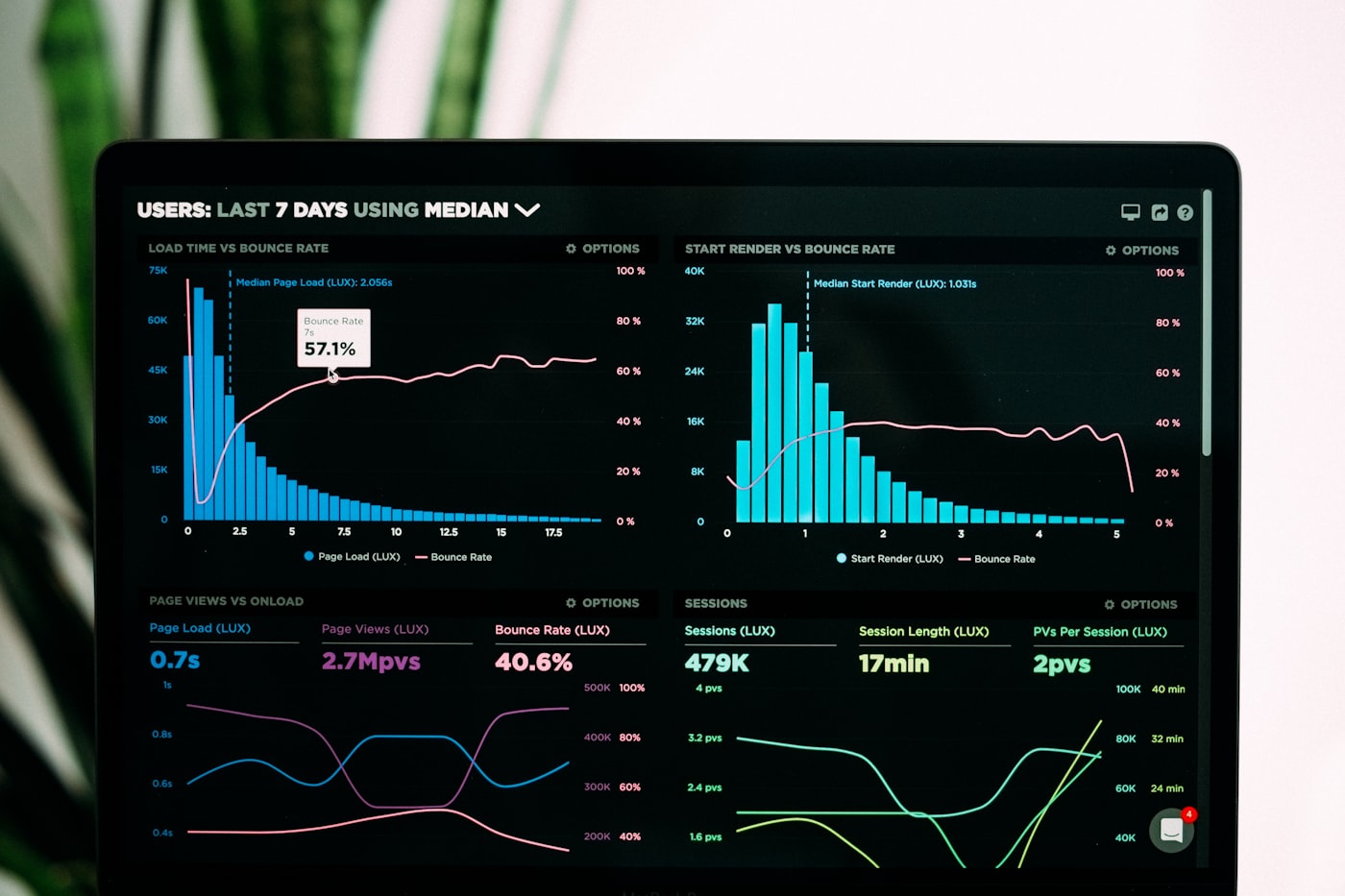
Run this five-point check on the full set as thumbnails:
| # | Check | Pass criteria |
|---|---|---|
| 1 | Light logic | Same season / time-of-day feel |
| 2 | Palette | No unapproved dominant colors |
| 3 | Character | Same face geometry if character-led |
| 4 | Scene specificity | Competitor swap test fails |
| 5 | Set size | ≤5 publish images from exploration grid |
Fail any check → regenerate affected scenes only. Do not re-brief the entire project unless three or more fail.
Recovery Playbook: When Identity Already Broke
If incoherent assets already shipped:
- Pause new posts — stop adding drift to the feed
- Pick the 3 strongest that accidentally match each other
- Write the world sentence you should have written on Day 1
- Rebuild moodboard from those 3 winners only
- Regenerate missing slots under reference-heavy mode
- Document Brand Style so the mistake is a template fix, not a memory
Recovery is cheaper before a paid campaign scales. It is still possible after — if you stop publishing first.
How Does Brand Style Prevent the Next Trap?
Brand Style is not a logo upload. It is enforceable rules replayed every batch:
- Palette hex + forbidden tones
- Light temperature sentence
- Character reference pack
- Composition habits (negative space, crop style)
- Voice and caption tone for cross-channel kits
In AI ecommerce design, Brand System is Layer 2. The consistency trap is what happens when teams skip Layer 2 and wonder why Layer 3 (scene production) feels chaotic.
Protect brand identity across AI batches on Orauria: Try Orauria
Frequently Asked Questions
Is brand inconsistency always the AI model's fault?
Rarely. Drift usually traces to missing brief rules, weak references, or no curation gate — not model capability alone.
Which failure is most common for small brands?
Failure #5 (volume without curator) and Failure #4 (generic scenes) show up most in SME batches. Enterprise teams more often hit #1 and #2 at scale.
Can I fix consistency in Photoshop after generation?
Color grading can help minor drift. Wrong light logic, wrong face geometry, or wrong scene world usually need regeneration with tighter rules — not hours of retouching.
How many images should a brand publish from one AI batch?
Three to five for most launches. Eight to twelve generated for exploration; most killed in curation. See eight-scene experiment publish priority table.
When should I switch models vs fix the brief?
Switch models after brief, references, and moodboard are locked and outputs still break rules. Otherwise you are randomizing, not directing.
Does brand consistency matter for AI citation and SEO?
Coherent visual sets improve dwell time, gallery depth, and brand search recognition — indirect SEO signals. Disjointed sets increase bounce and returns.
Conclusion
AI did not break your brand. Process gaps did — light logic skipped, palette unchecked, face unprotected, scenes generic, volume uncured.
The five failures in this article are predictable. That is good news. Predictable failures have checklists.
Audit before publish. Curate ruthlessly. Lock Brand Style after the first win. The trap only wins when speed outruns taste.
References
- Adobe, 2026 Creators' Toolkit Report, June 16, 2026. https://news.adobe.com/news/2026/06/creators-toolkit-report-2026
- Adobe, Inaugural Creators' Toolkit Report (Adobe MAX 2025), October 28, 2025. https://news.adobe.com/news/2025/10/adobe-max-2025-creators-survey
- 9to5Mac, "Adobe survey: AI is helping creators grow, but not without tradeoffs," June 16, 2026. https://9to5mac.com/2026/06/16/adobe-survey-ai-is-helping-creators-grow-but-not-without-tradeoffs/
Leave a Reply