Danh mục: Creative Direction

  • Moodboard Before Render: Why Designers Still Need This Step

    Moodboard Before Render: Why Designers Still Need This Step

    Moodboard Before Render: Why Designers Still Need This Step

    The fastest way to waste an afternoon with AI is to skip the slowest step: the moodboard.

    Teams open an image model, type "premium lifestyle product shot," generate twenty variations, pick three they like, and discover on Friday that marketing needs eight more scenes in the same world — and none of the new renders match Tuesday's winners. The model did not fail. The moodboard gate did.

    An AI moodboard workflow is not nostalgia for pre-digital art direction. It is the pre-render contract — light temperature, palette, emotional register, composition habits — that turns exploration into a system you can scale.

    Key Takeaways
    >
    > – Moodboard before render = lock direction before pixels. Without it, AI exploration produces orphans, not campaigns.
    > – Adobe's 2026 Creators' Toolkit Report: 57% say AI outputs need moderate or extensive editing before publish — much of that editing is unfixed direction, not bad models (Adobe, 2026).
    > – A working moodboard answers four questions: What light? What palette? What feeling? What composition habits?
    > – Moodboard is the bridge between explore mode and reference-heavy scale.
    > – Skilled designers still moodboard — especially when AI is the camera (lookbook thinking).

    If you have read When to Use Reference Images vs Let AI Explore, you know exploration and scale are different modes. The moodboard is what you lock when exploration ends — the artifact that says: this world, not those twenty other worlds we tried.

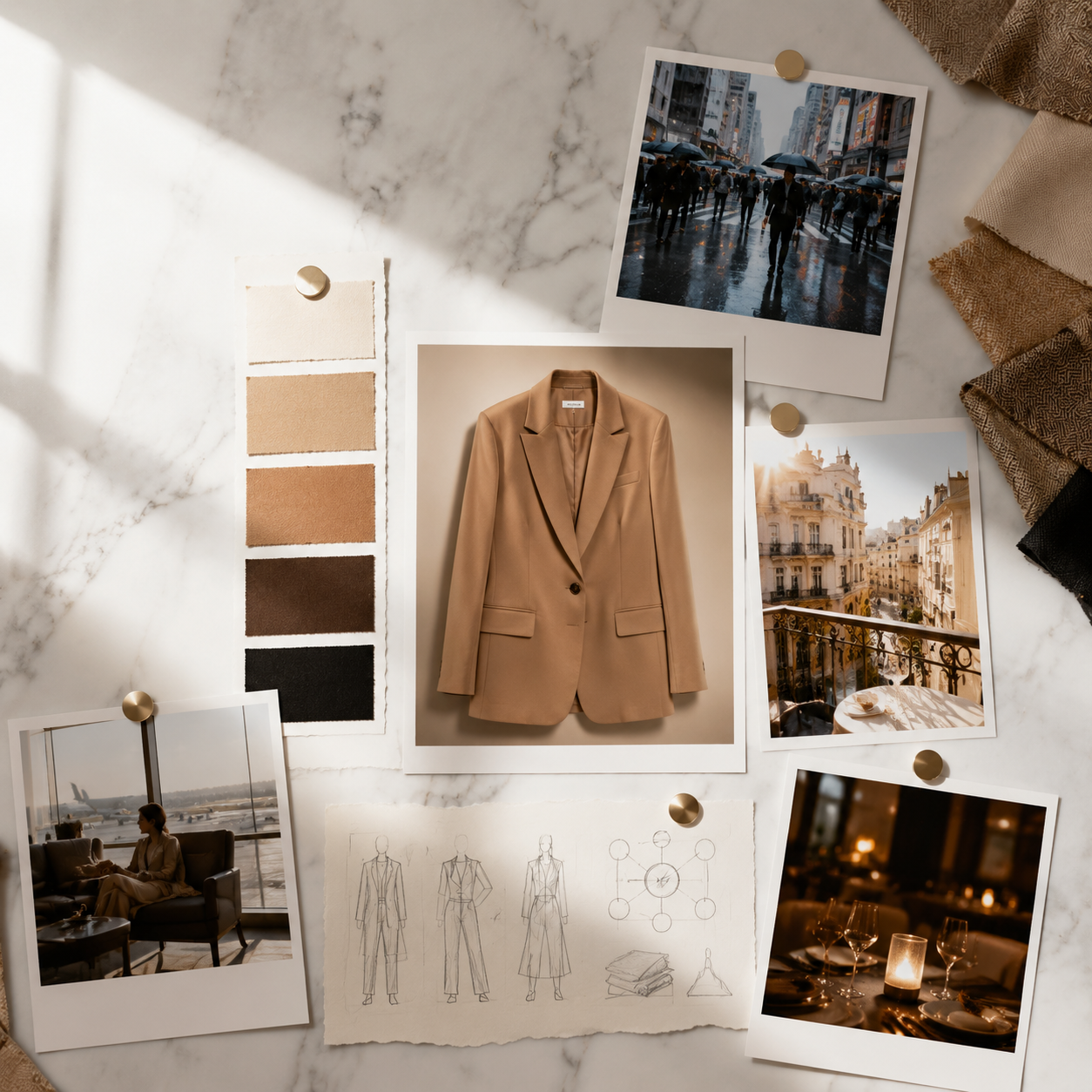
    Fashion art director moodboard with color swatches lifestyle references and product hero frame before AI render

    What Is a Moodboard in an AI Creative Workflow?

    A moodboard in 2026 is not a Pinterest dump. It is a directional lock — typically 5–12 frames that define:

    Dimension What the moodboard locks What it prevents
    Light Time of day, temperature, direction, hardness Random neon vs soft window drift
    Palette Dominant hues, accent rules, neutrals SKU 40 in a different color universe
    Emotion Calm, urgency, aspiration, intimacy Mixed emotional registers in one gallery
    Composition Distance, crop, product-to-frame ratio Inconsistent scale across scenes
    Environment type Kitchen, commute, bathroom — not specific props Stock photo roulette

    The moodboard does not need to include your product. It often should not. It defines the world; product references attach separately in reference mode.

    Why Did Teams Think AI Made Moodboards Optional?

    Three myths enabled the skip:

    1. "The prompt is the brief." Prompts describe one frame. Moodboards describe a family of frames — the visual dialect every scene must speak.

    2. "We will fix it in post." Adobe reports 57% of AI outputs need meaningful editing before publish (2026). Post fixes one image. It does not fix a catalog that drifted across fifty SKUs.

    3. "Exploration is the deliverable." Exploration finds options. The deliverable is a curated set in one world — the lesson from our eight-scene experiment.

    What Belongs on a Pre-Render Moodboard?

    Minimum viable moodboard (5 frames)

    1. Light reference — one frame defining temperature and direction
    2. Palette anchor — swatches or a scene with correct dominant hues
    3. Environment type — the room/street/shelf logic, not luxury clichés
    4. Emotion reference — one frame that nails the feeling (calm, energy, intimacy)
    5. Composition habit — distance and crop logic for the batch

    Extended moodboard (8–12 frames)

    Add: negative references (what to avoid), texture/material examples, character/talent tone if applicable, and one hero product placement sketch — not a final render, a layout intention.

    Pair the moodboard with a 3-line brief:

    Flat lay of design moodboard materials color swatches and reference photos on desk
    Brief line Moodboard expression
    Line 1 Buyer Emotion + environment type frames
    Line 2 World Light + palette frames
    Line 3 Close Composition + channel-intent frame

    Then expand into SCENE rows — each row must pass the moodboard test: could this scene exist on the same film day as frame 3?

    Creative workspace with printed reference images color swatches and laptop for AI moodboard workflow

    Where Does Moodboard Sit in the Pipeline?

    BRIEF (3-line) → MOODBOARD (lock world) → SCENE MAP → EXPLORE (test) → CURATE → REFERENCE MODE (scale)
    Stage Moodboard role
    Before explore Define boundaries — what worlds are in play
    After explore Select 5–8 winners that become the locked board
    Before batch Attach as reference anchors alongside product shots
    During QA Reject any render that breaks board light or palette
    On drift recovery Return to board — not random prompt edits (brand trap)

    This is Direction 2 from lookbook thinking: moodboard before render — lock temperature, palette, and emotional direction before AI exploration scales.

    How Do You Build a Moodboard in One Working Session?

    Step 1 — Write the world sentence (10 minutes)

    One sentence: "Urban autumn morning, soft window light, warm neutrals, unhurried confidence." If you cannot write it, you are not ready to render.

    Step 2 — Collect references (20 minutes)

    Pull 10–15 candidates from past shoots, brand archives, licensed stock, or approved AI exploration frames. Do not render new images yet.

    Step 3 — Curate to five (15 minutes)

    Kill frames that disagree on light or palette. The board should feel like one photographer's afternoon, not a design trend collage.

    Step 4 — Add negatives (5 minutes)

    List 3–5 visual habits to reject: marble bathrooms, gold fixtures, neon gradients, oversaturated skin, floating products with no shadow logic.

    Step 5 — Sign-off gate (5 minutes)

    Explorer and curator (or client) agree: this board is the world. No batch runs until sign-off.

    Total: under one hour. Cheaper than regenerating forty wrong scenes.

    What Breaks When You Skip the Moodboard?

    Skip symptom Root cause Fix
    Pretty orphans No shared world Moodboard gate
    Palette drift mid-batch No palette anchor Lock swatches on board
    Inconsistent light Explored without boundaries Light reference frame
    Client "something feels off" Emotion not agreed Emotion frame + brief Line 3
    Brand consistency trap No recovery anchor Rebuild board from 3 winners only

    When drift appears, do not tweak prompts randomly. Return to the moodboard and ask which dimension broke: light, palette, emotion, or composition.
    Split comparison of chaotic AI image grid versus curated moodboard-directed scene family

    How Does Moodboard Connect to Catalog Scale?

    For 100-SKU batches, the moodboard is per scene family, not per SKU:

    Scene family Moodboard scope
    Morning ritual One board for all bathroom/shelf SKUs
    Desk pause One board for homeware + drinkware
    Travel kit One board for minis and pouches

    Swap product references; do not swap worlds mid-family. That is how batch thinking preserves soul at scale.

    Moodboard vs Brand Style vs References — What Is the Difference?

    Artifact Job
    3-line brief Strategic decisions — buyer, world, close
    Moodboard Visual lock — light, palette, emotion, composition
    Brand Style (tool layer) Enforced rules in generation pipeline
    Product references SKU truth — shape, label, color accuracy
    SCENE grid Per-scene commercial mapping

    The moodboard is the human-readable version of what Brand Style encodes in software. Both should agree — if they diverge, trust the signed-off board.


    Lock direction before render on Orauria: Try Orauria

    Frequently Asked Questions

    Do I still need a moodboard if I have Brand Style presets?

    Yes. Brand Style enforces rules; the moodboard chooses which world this job lives in. Presets without direction still drift.

    Can the moodboard be AI-generated images?

    Yes — if they are curated exploration winners, not random generations. Exploration produces candidates; moodboard locks the selection.

    How many frames is enough?

    Five for a minimum viable board. Eight to twelve for complex fashion or multi-channel campaigns.

    How long should moodboarding take?

    Under one hour for most ecommerce jobs. If it takes days, the brief is not decided yet — fix 3-line brief first.

    Is moodboard only for fashion?

    No. Beauty needs ritual environments. FMCG needs desk and shelf worlds. Any SCENE-driven job benefits from pre-render lock.

    When can I skip the moodboard?

    Single-frame exploration with no scale intent — mood discovery only. The moment you need a set, the board returns.

    Conclusion

    AI did not retire the moodboard. It relocated it — from wall pin-up to pre-render gate in every pipeline that ships more than one image.

    Write the world sentence. Curate five frames. Sign off before the batch. Let SCENE and references do the rest.

    Designers who still moodboard are not clinging to the past. They are refusing to pay for direction drift in pixels — one render at a time, one hundred SKUs at a time.


    References

    1. Adobe, 2026 Creators' Toolkit Report, June 16, 2026. https://news.adobe.com/news/2026/06/creators-toolkit-report-2026
    2. Adobe, Inaugural Creators' Toolkit Report (Adobe MAX 2025), October 28, 2025. https://news.adobe.com/news/2025/10/adobe-max-2025-creators-survey
  • When to Use Reference Images vs Let AI Explore

    When to Use Reference Images vs Let AI Explore

    When to Use Reference Images vs Let AI Explore

    Every AI creative project starts with the same fork in the road. Lock the references — product geometry, model face, brand palette — and generate variations that stay on brief. Or open the exploration — let the model search for worlds, moods, and scenes you have never visualized before.

    Choose wrong and you waste a week. Reference-heavy when you needed discovery produces safe, boring sameness. Exploration-heavy when you needed continuity produces gorgeous drift — twelve images that do not belong to the same brand.

    This is a decision guide, not a tool tutorial. By the end you will know which mode your brief requires, how to blend both, and where each fits in lookbook thinking and AI ecommerce design.

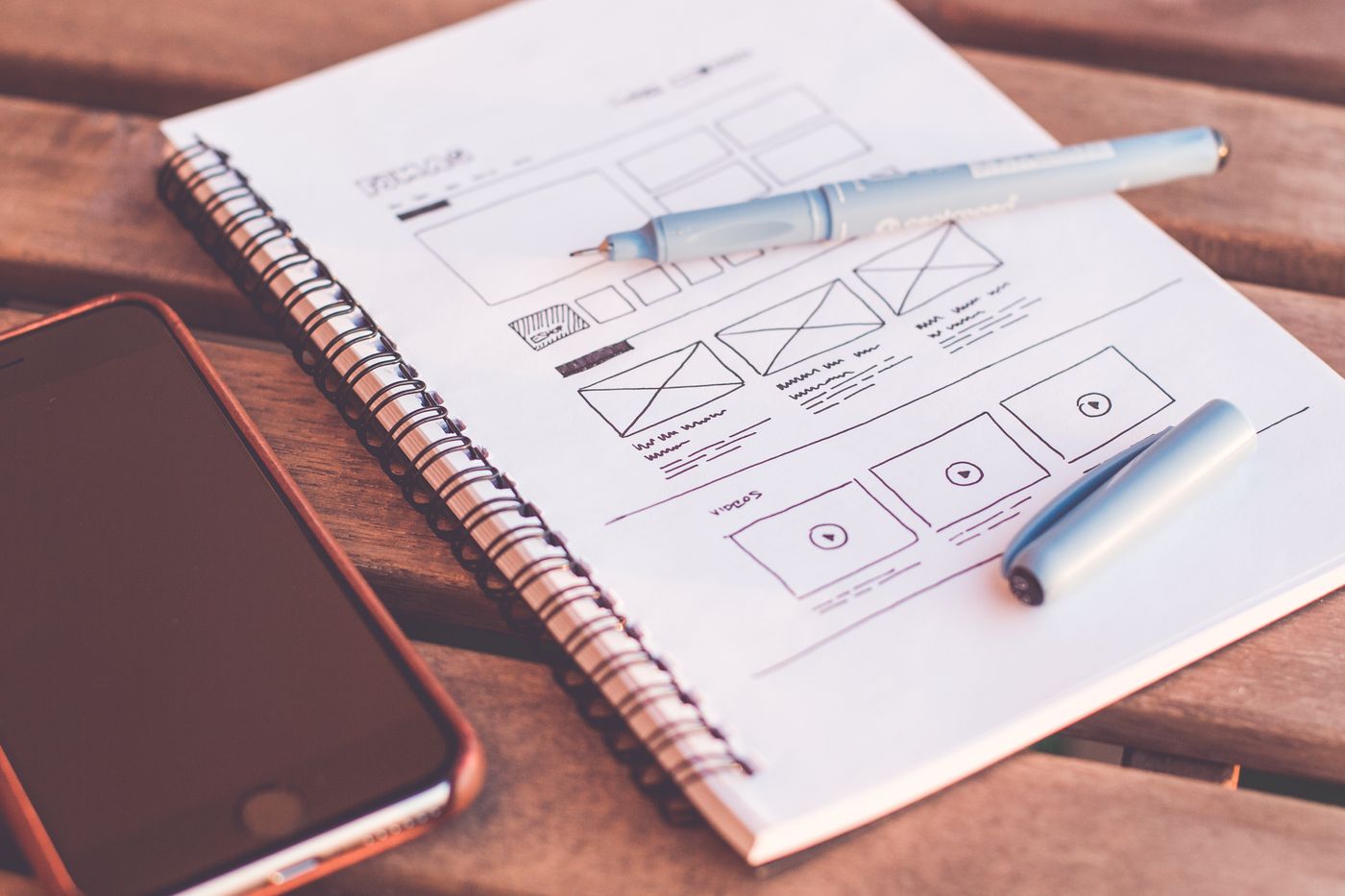
    Designer desk with laptop and creative workspace — reference versus exploration
    The fork: lock what must stay true, or search for worlds you have not visualized yet.

    Key Takeaways

    • Reference-heavy when continuity is the brief: same face, same product, same brand silhouette across formats.
    • Exploration-heavy when the world is unknown: new season, rebrand, first lookbook, pitch mood discovery.
    • Adobe's 2025 survey found 85% of creators would consider AI that learns their creative style — because consistency is harder than first render (Adobe MAX 2025, 2025).
    • The best pipelines explore first, reference second for new lines — and reference first, explore never for SKU scale.

    What Is the Difference Between Reference Images and Open Exploration?

    Reference images anchor generation. You upload product shots, model faces, moodboard frames, or brand examples — and the AI is constrained to respect them. Shape, color, character, composition habits travel downstream.

    Open exploration removes anchors. You describe worlds, emotions, and contexts — and the AI searches broadly. Discovery is the goal. Consistency is deferred until something worth protecting appears.

    Mode Primary question Risk Reward
    Reference-heavy "Keep this exact truth across scenes" Safe, repetitive if over-constrained Scale without drift
    Exploration-heavy "What world could this product inhabit?" Aesthetic drift, orphans Breakthrough mood, new direction
    Blended "Find the world, then lock it" Process discipline required Best of both

    In 2026, Adobe found 85% of creators insist the final creative decision must remain theirs (Adobe Creators' Toolkit Report, 2026). References and exploration are inputs. Curation is still the human job.

    When Should You Use Reference Images?

    Use references when the brief has a continuity requirement — something that must not change between outputs.

    Reference-heavy scenarios

    Scenario What to reference Why
    SKU scaling Product packshots, label details Bottle shape cannot drift across 50 SKUs
    Character-led campaigns Model face, posture rules Same person across 12 formats
    Campaign extension Prior season hero frames New scenes must match established world
    Marketplace compliance Approved hero angle Main image must match listed product
    Brand refresh (partial) Logo, palette, typography rules Evolution, not reinvention

    If your SCENE map has eight contexts for one product, references protect product geometry and character while contexts change around them. That is the core of the eight-scene experiment: explore scenes, reference the outfit.

    What to upload as references

    • Product truth pack — phone or studio shots showing honest shape and color
    • Character sheet — face, hair, posture language (if human-led)
    • Moodboard anchors — 3–5 frames locking light temperature and palette
    • Brand Style rules — hex codes, forbidden tones, composition habits

    References are not for copying. They are for constraining drift.

    Creative workspace moodboard with color swatches and reference frames
    Reference mode: moodboard anchors lock light, palette, and composition before batch generation.

    When Should You Let AI Explore?

    Use open exploration when the brief is discovery — you do not yet know the world, and premature locking would kill the idea.

    Exploration-heavy scenarios

    Scenario What to explore Why
    New season / new line Worlds, contexts, emotional range No established visual language yet
    Rebrand pitch 3–5 divergent directions Client needs options, not one safe path
    First lookbook ever Buyer moments, lifestyle contexts Lookbook thinking starts here
    Mood discovery deck Light, palette, environment Pre-committed moodboard does not exist
    Creative reset Break aesthetic rut References would reinforce the old world

    Adobe's 2025 data shows 48% of creators use creative AI for ideation and brainstorming, while 52% use it for generating new assets (Adobe MAX 2025, 2025). Exploration and production are different jobs. Assign them explicitly.

    Exploration rules that prevent chaos

    1. Time-box — 90 minutes of open generation, then stop
    2. No approval during exploration — explorer role only
    3. Cluster outputs — group by mood, not by prettiness
    4. Pick one cluster — curator chooses direction
    5. Then switch to references — lock what won

    Exploration without a gate produces folders of orphans. The gate is a moodboard decision, not a model upgrade.

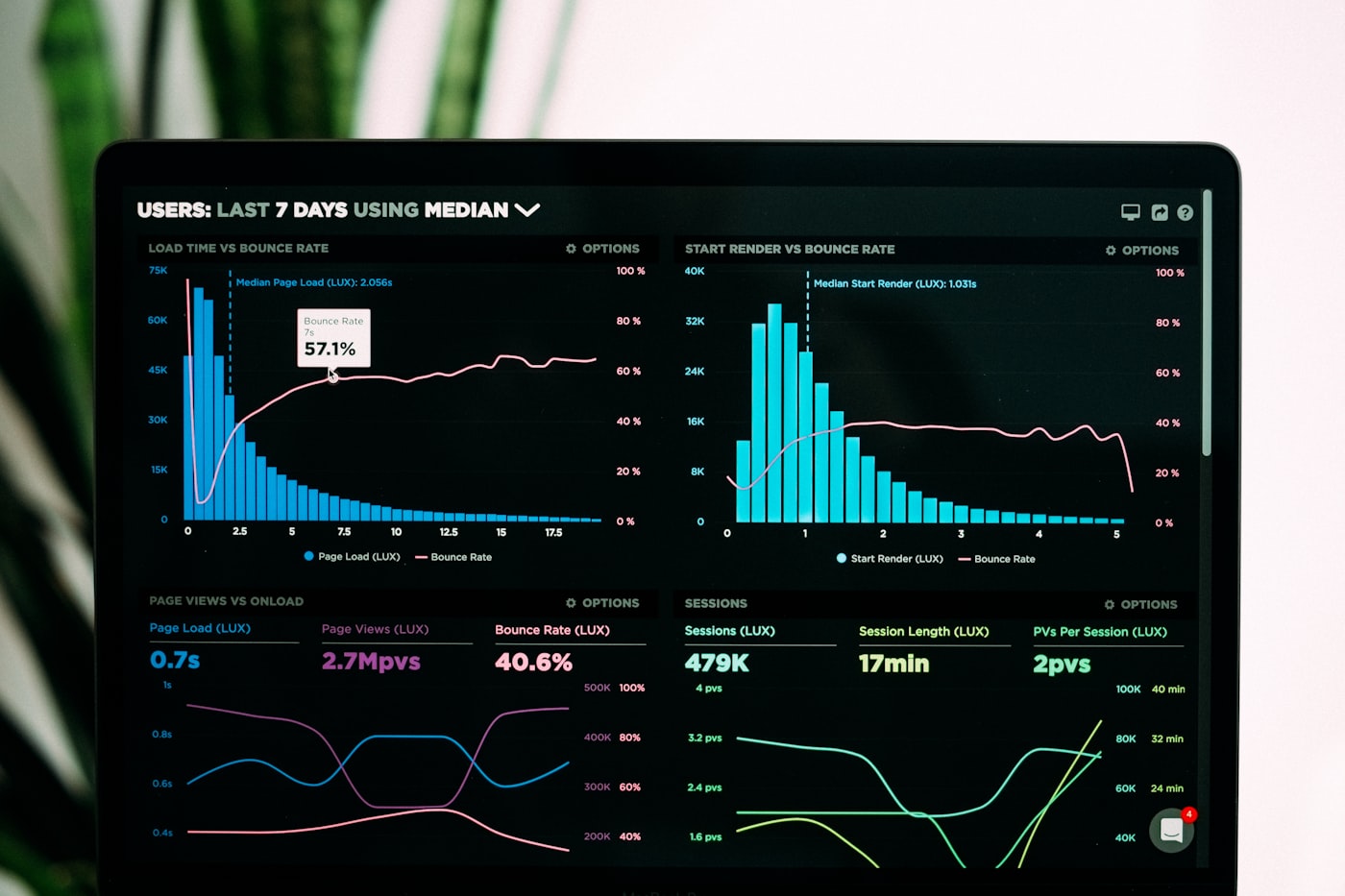
    Analytics dashboard showing multiple creative data variants — exploration phase
    Exploration phase: cluster outputs by mood, not prettiness — then pick one direction.

    What Is the Blended Workflow (Explore → Lock → Scale)?

    Most professional pipelines use three phases:

    Phase 1: EXPLORE (open)
        → Generate 20–40 mood frames, no product yet
        → Curator picks 1 world direction

    Phase 2: LOCK (references + moodboard)
    → Upload winning frames as style anchors
    → Define Brand Style + character rules
    → Write SCENE map for hero SKU

    Phase 3: SCALE (reference-heavy)
    → Generate scene family per SCENE row
    → Adapt per channel
    → Save workflow template
    `

    This is phone-to-campaign logic for teams with studio assets — and AI ecommerce design logic for everyone: find the world, protect it, repeat it.

    Fashion moodboard with blazer hero and lifestyle polaroids — brand style lock
    Phase 2 Lock: winning exploration frames become reference anchors for scale.
    Project phase Dominant mode
    Pitch / concept Exploration
    Client approval Exploration → Lock transition
    Launch production Reference-heavy
    Catalog extension Reference-only
    Season refresh Blended (explore accents, reference core)

    Quick Decision Tree: Which Mode Is Your Brief?

    Answer three questions:

    1. Does the product or face already exist in approved assets?
    – No → Start with exploration
    – Yes → Reference the truth pack

    2. Is the commercial world already defined?
    – No → Exploration for mood and context
    – Yes → Reference moodboard + SCENE map

    3. Is the deliverable one direction or twelve matching formats?
    – One direction / pitch → Exploration OK
    – Twelve matching formats → Reference-heavy required

    Decision matrix

    Brief type Reference Explore Blend
    New fashion lookbook (season 1) Low High Medium
    Campaign extension (season 3) High Low Medium
    100-SKU beauty catalog High Very low Low
    Rebrand pitch (3 directions) Low High
    TikTok ad variant test Medium Medium High
    Character-led video series High Low Medium
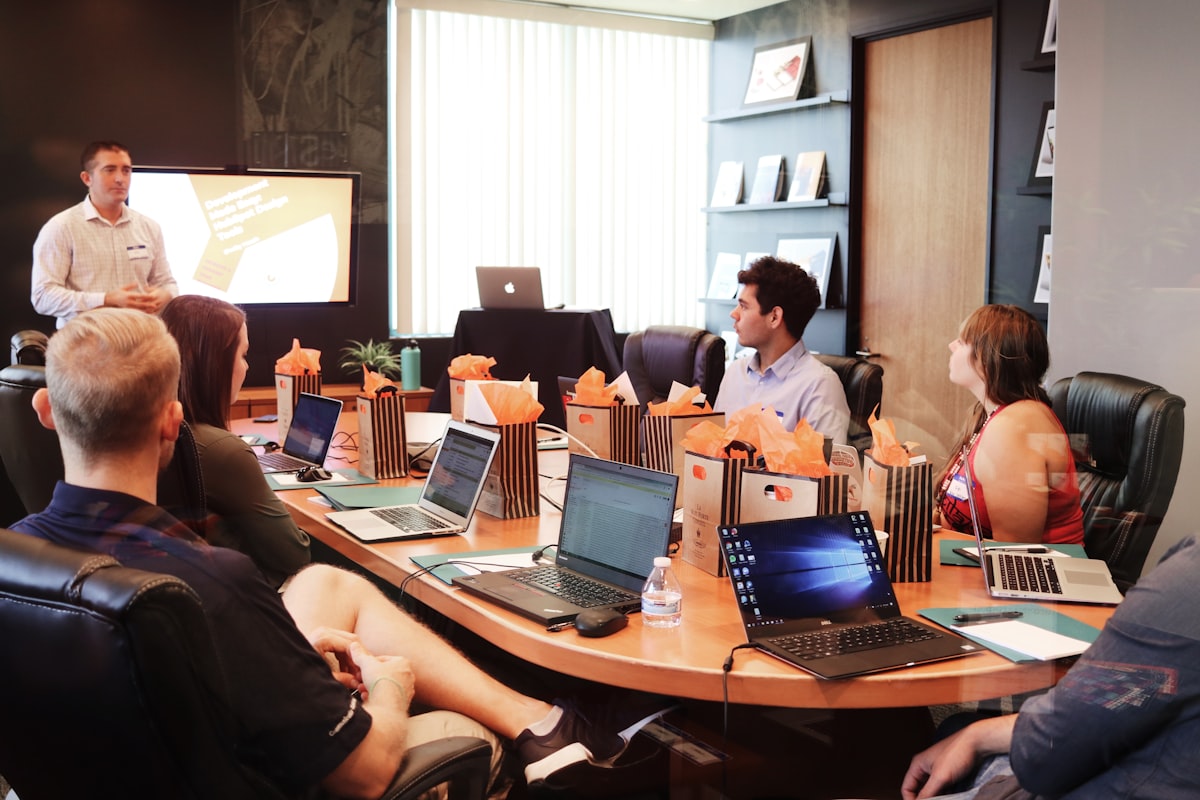
    Team reviewing creative options at desk — curator decision gate
    The decision tree ends with a human gate — explorer generates, curator locks direction.

    When references fail and drift wins anyway, read Brand Consistency Trap (coming soon).

    What Are Common Mistakes With References and Exploration?

    Mistake Symptom Fix
    Reference too late Product shape wrong in all scenes Upload truth pack before scene 1
    Explore too long 200 images, no direction 90-minute time-box + cluster
    Reference moodboard only Pretty but wrong product Separate product refs from style refs
    Explore during scale Drift across SKU batch Switch to reference-only for catalog
    Same person explores + approves No taste gate Split explorer / curator roles
    No saved lock point Re-explore every Monday Document winning refs in Brand Style

    Adobe reports 57% of creators say AI outputs need moderate or extensive editing before publish (2026). References reduce fundamental failure. Editing handles polish. Do not confuse them.

    How Many Reference Images Should You Upload?

    Use case Recommended count What they cover
    Product SKU 3–5 Angles, label, scale
    Character face 2–4 Front, 3/4, expression range
    Mood / style 5–8 Light, palette, composition
    Brand kit Rules + 3 anchors Hex, type, photo habits

    More references is not always better. Conflicting references confuse the model — warm moodboard plus cool product shot plus neon brand guideline produces mush. Curate the reference set like you curate outputs.

    How Does This Connect to Brand Style and Workflow?

    References live in three layers:

    1. Asset references — product, face, specific frames
    2. Brand Style — enforceable rules (palette, light, voice)
    3. Workflow template — saved node order for repeat runs

    In workspaces like Orauria, Phase 2 (Lock) maps to Brand Style + reference upload nodes. Phase 3 (Scale) maps to saved workflows per SKU or scene batch.

    Exploration finds what to save. References protect what you saved. Workflows replay what worked.


    Explore and lock creative worlds on Orauria: Try Orauria

    Frequently Asked Questions

    Can I use reference images and exploration in the same session?

    Yes — but sequentially, not simultaneously. Explore first without product references. Once direction wins, upload references and regenerate. Mixing both at minute zero produces muddled briefs.

    Do reference images limit creativity?

    They limit drift, not ideas. You can still place a referenced product in twelve contexts via SCENE. References constrain what must stay true; SCENE defines what may change.

    What if I only have phone photos as references?

    Phone photos are valid truth packs — especially for SMEs. Clean them for reference use (phone-to-campaign), then scale scenes around them.

    When should freelancers default to exploration?

    Pitch decks, first client concepts, and rebrand directions — anywhere the client must choose a world before production locks. Bill exploration as discovery; bill reference workflows as production.

    How do I know exploration is finished?

    When the curator can write a one-sentence world definition and pick 5–8 moodboard frames without hesitation. If you cannot write that sentence, exploration continues.

    Is open exploration risky for brand reputation?

    It is risky to publish exploration outputs without curation. Exploration itself is low risk in private — publishing without a lock phase is where brands break identity.

    Conclusion

    Reference images and open exploration are not rivals. They are phases.

    Explore when the world is unknown. Reference when the world must survive scale. Blend when the season is new but the brand is not.

    The wrong question is "which mode is better?" The right question is "which mode is this brief?" — then run the pipeline that matches.


    References

    1. Adobe, Inaugural Creators' Toolkit Report (Adobe MAX 2025), October 28, 2025. https://news.adobe.com/news/2025/10/adobe-max-2025-creators-survey
    2. Adobe, 2026 Creators' Toolkit Report, June 16, 2026. https://news.adobe.com/news/2026/06/creators-toolkit-report-2026
    3. 9to5Mac, "Adobe survey: AI is helping creators grow, but not without tradeoffs," June 16, 2026. https://9to5mac.com/2026/06/16/adobe-survey-ai-is-helping-creators-grow-but-not-without-tradeoffs/